Toys.
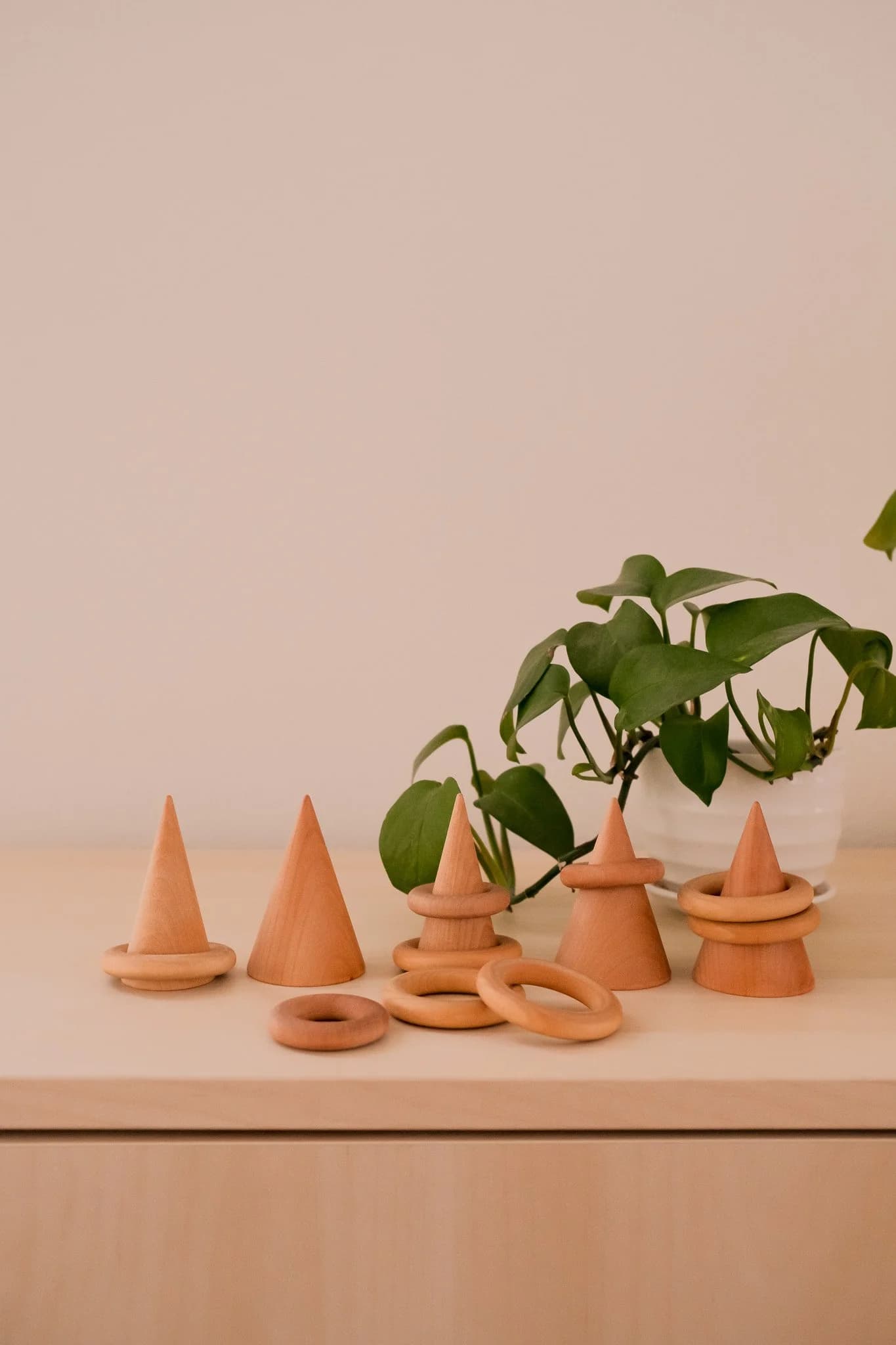
Open-ended toys we actually keep on the shelf. The ones that survive a week of hard play and still get pulled out tomorrow.
Curated by Jerrica Sannes · 254 toys on the shelf
- Wooden blocks
- A basket of cars
- Play silks
- Magna-Tiles, again
- The dollhouse
- Train tracks across the rug
- Pretend kitchen
- Stuffed animals everywhere
- Loose parts
- Schleich figurines
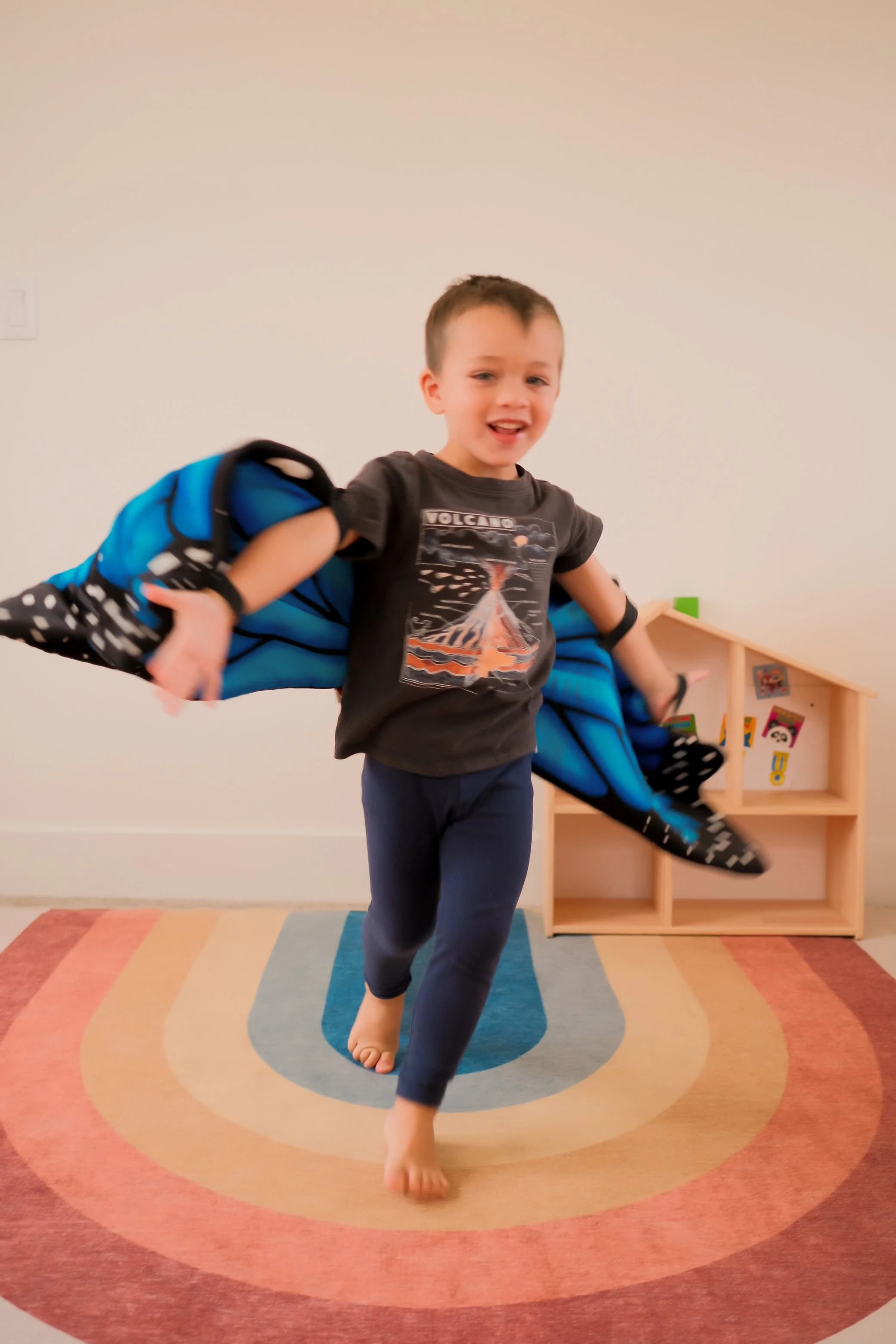
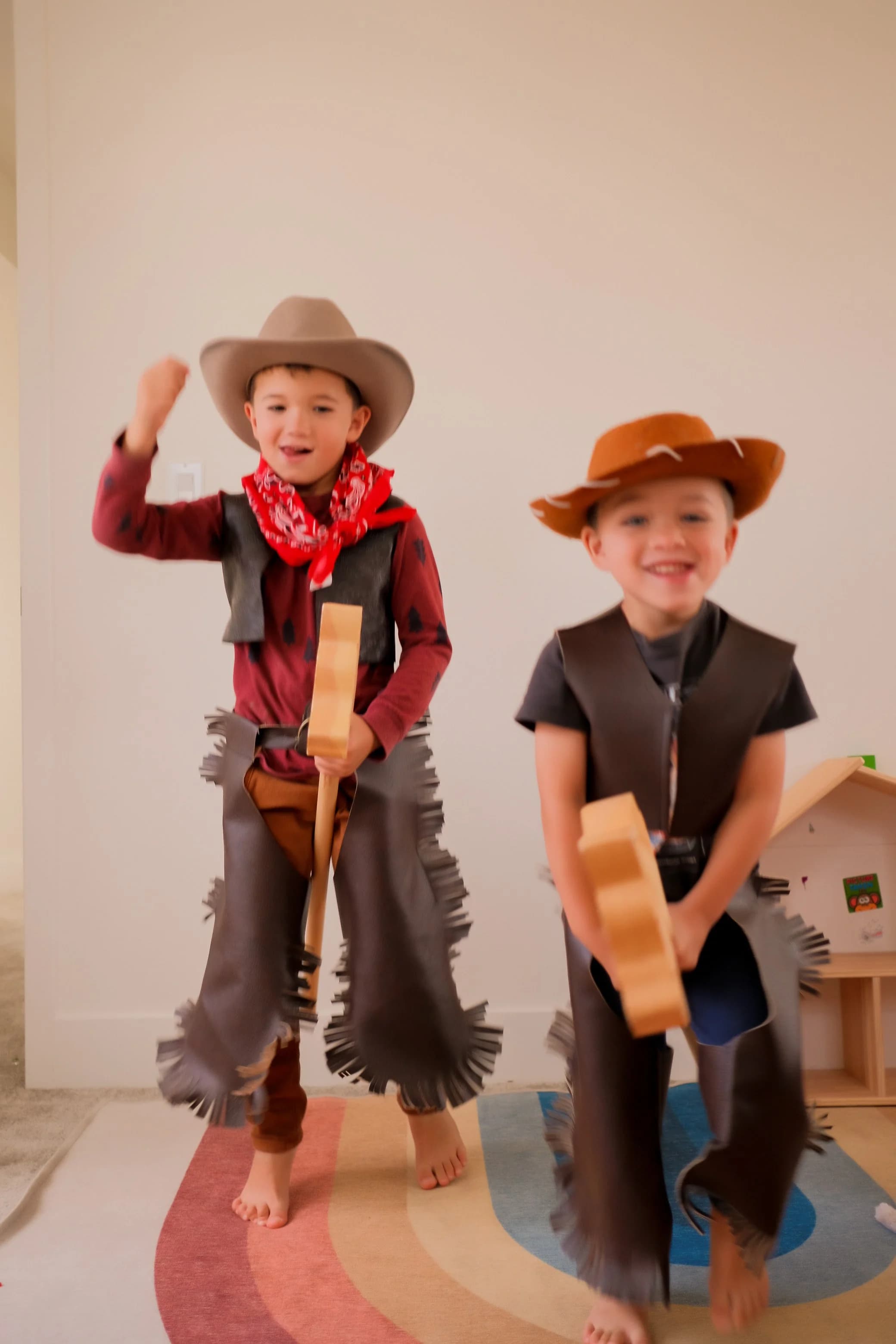
- Costume bin
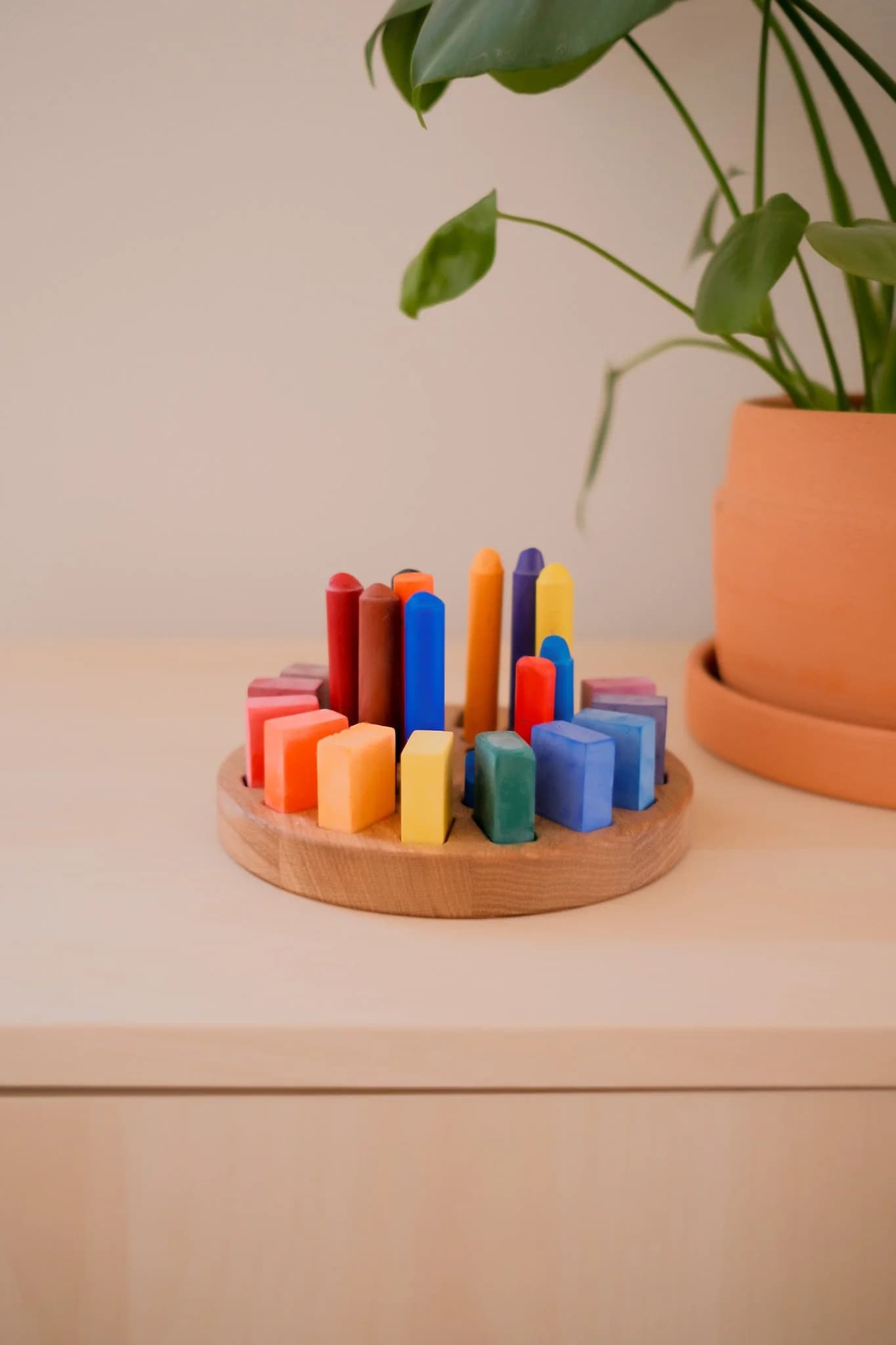
- Crayons on the floor
- Building a fort
- Tea party for six
Toy of the day.
One toy we keep going back to. A fresh pick each day from the shelf. Same curation, a new look at the playroom.
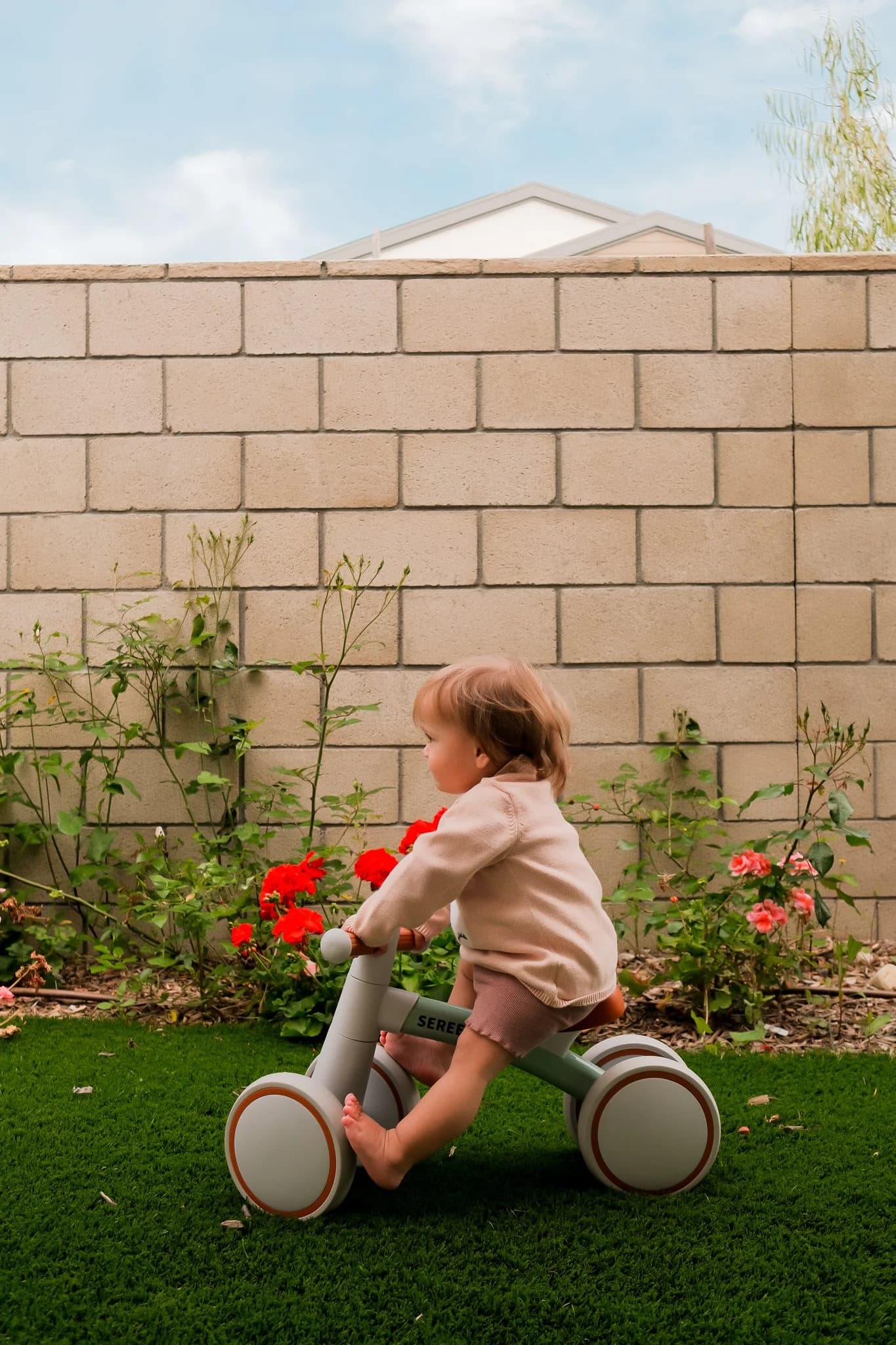
Toddler Bike
Outdoor Play · Large Motor
A balance bike for toddlers to develop balance and coordination before transitioning to a pedal bike. Ages 2-5.
Affiliate link — we may earn a small commission
Join my motherhood community
I share honest motherhood thoughts, my observations of children and their grown-ups in the wild, glimpses into our family’s homeschool journey, and juicy book reviews.
Curated collections.
Building basics. Pretend-play essentials. The toy drawer for a one-year-old. Open one to see the full set.
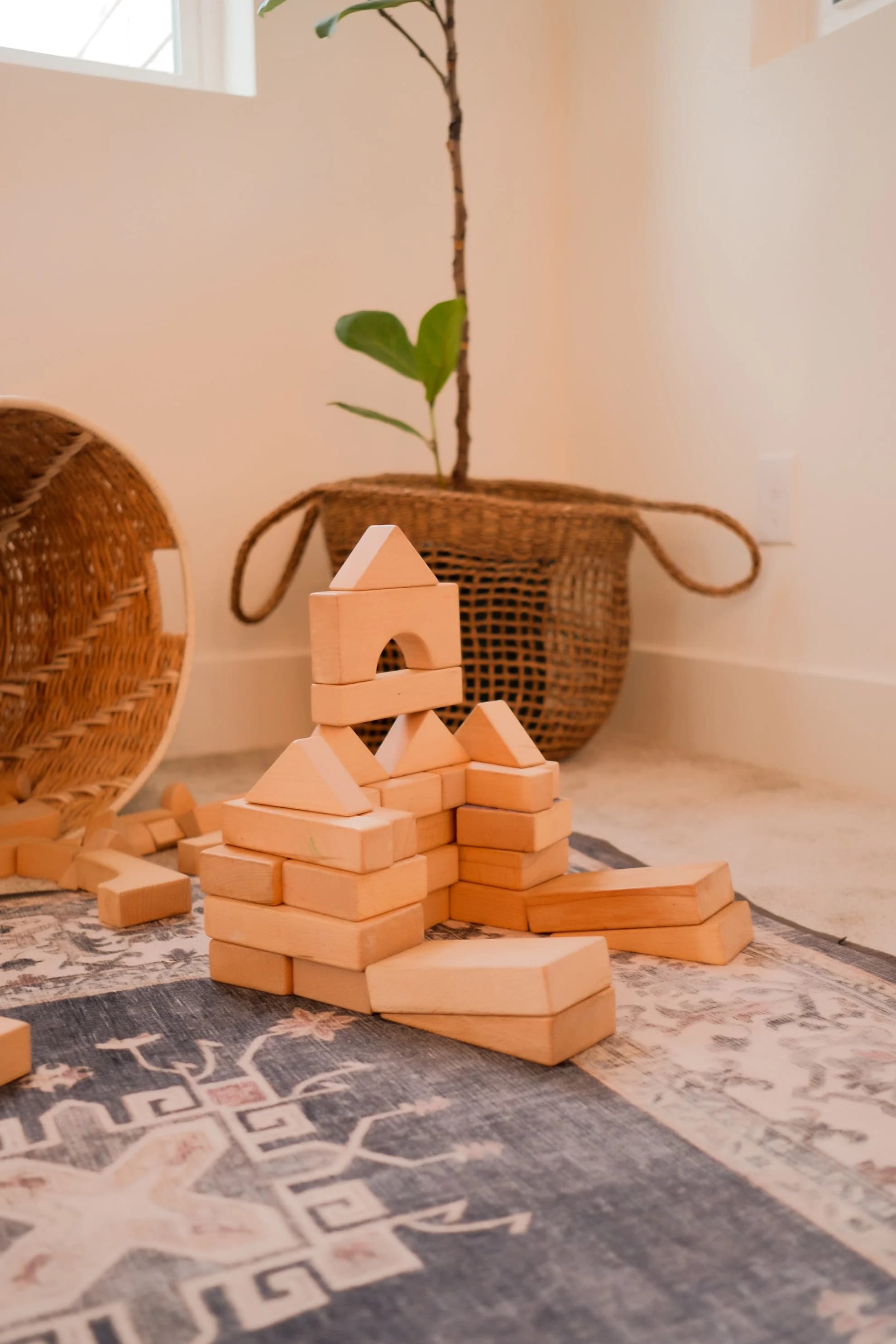
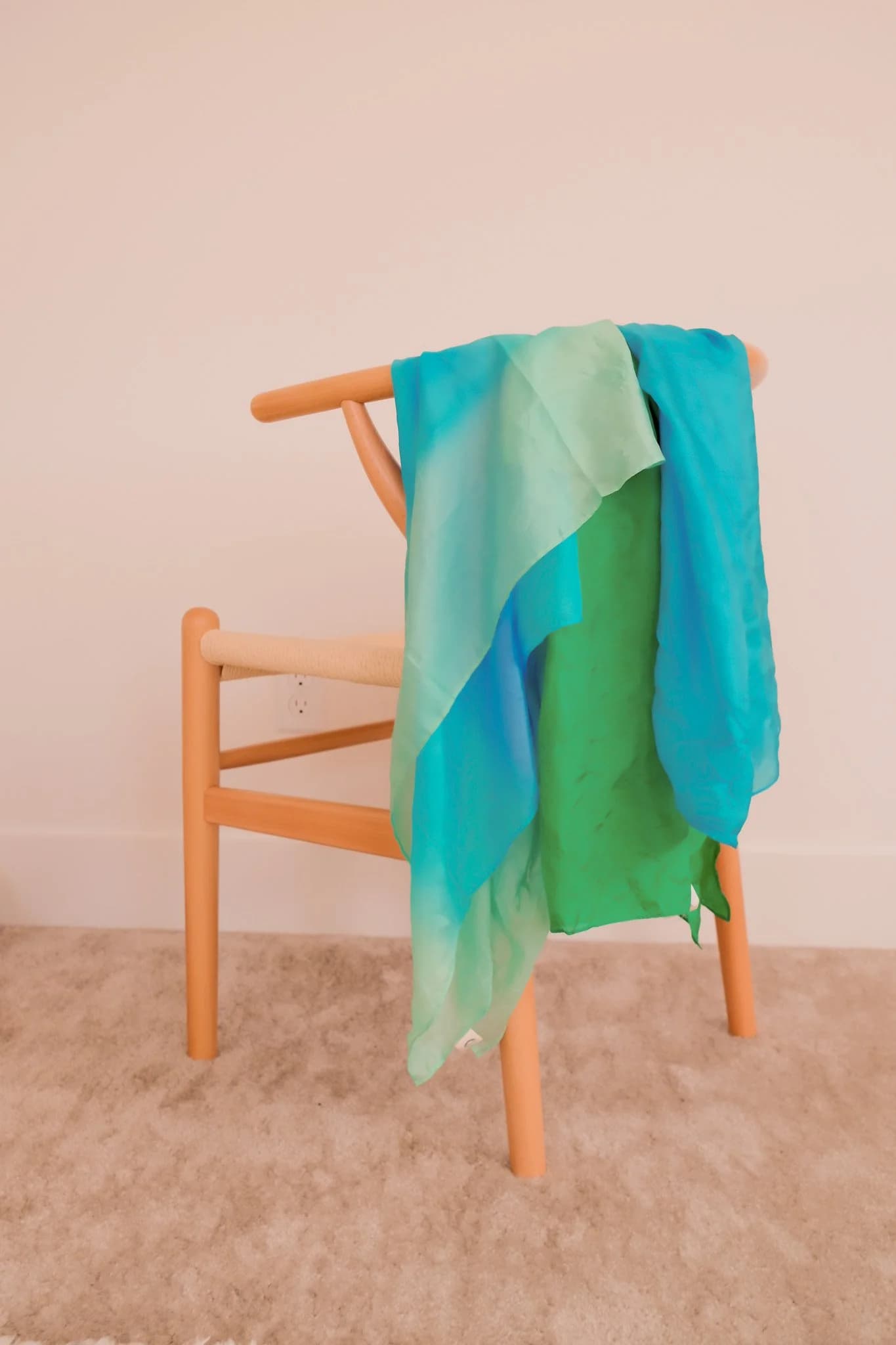
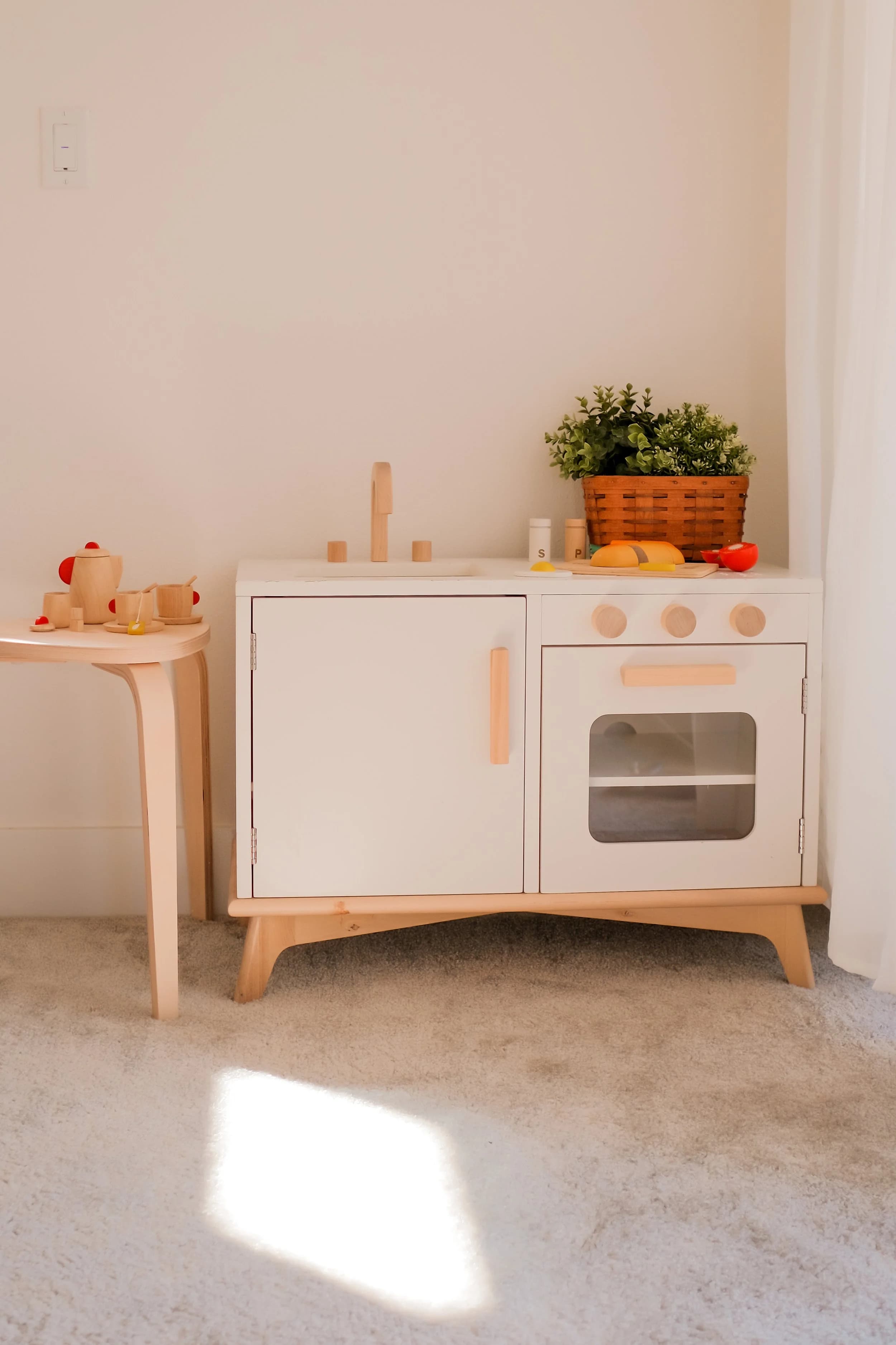
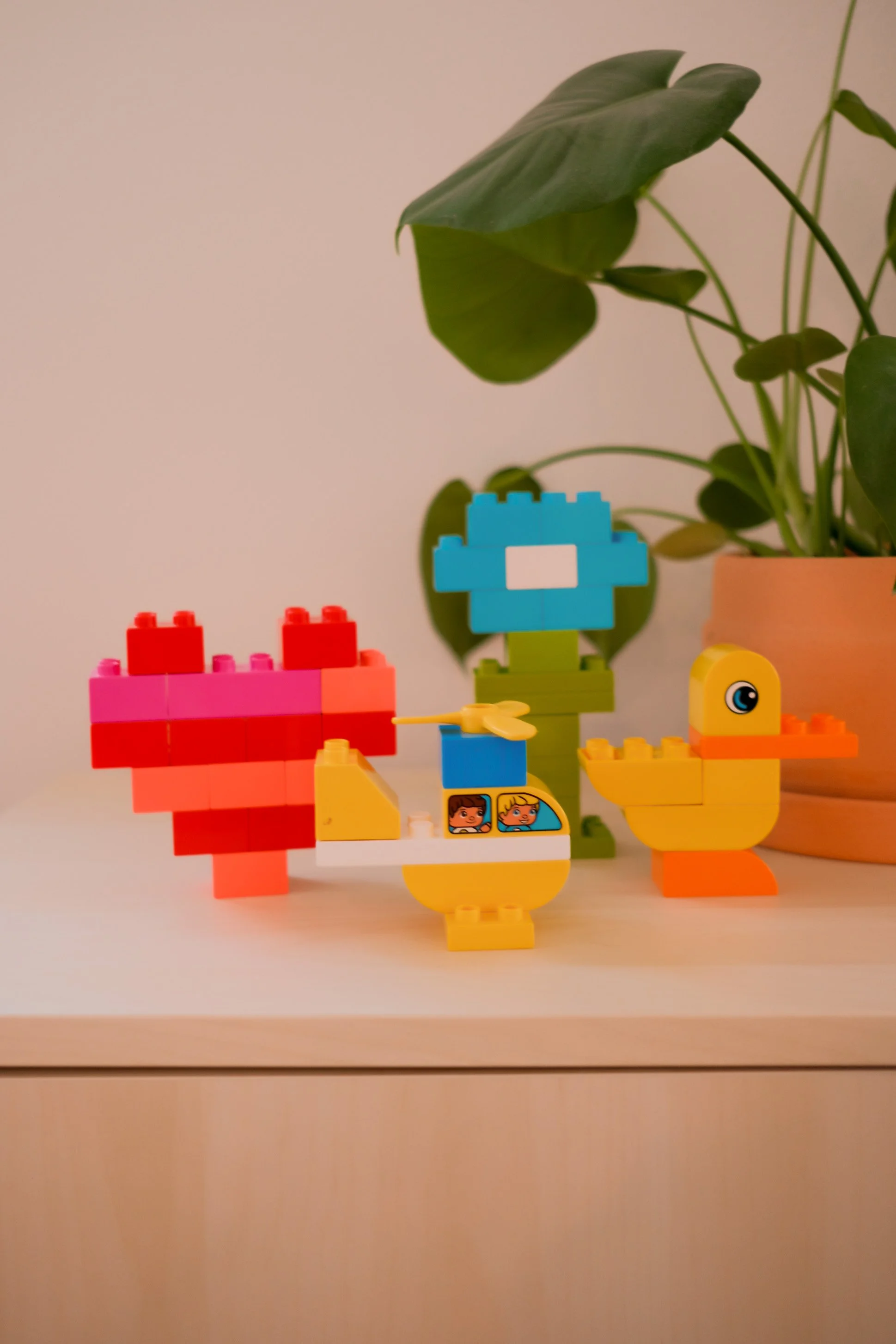
The Starter Set
Building a playroom from scratch? Start here. These are the essential toys we recommend for every family — versatile, durable, and endlessly playable.
12 toys
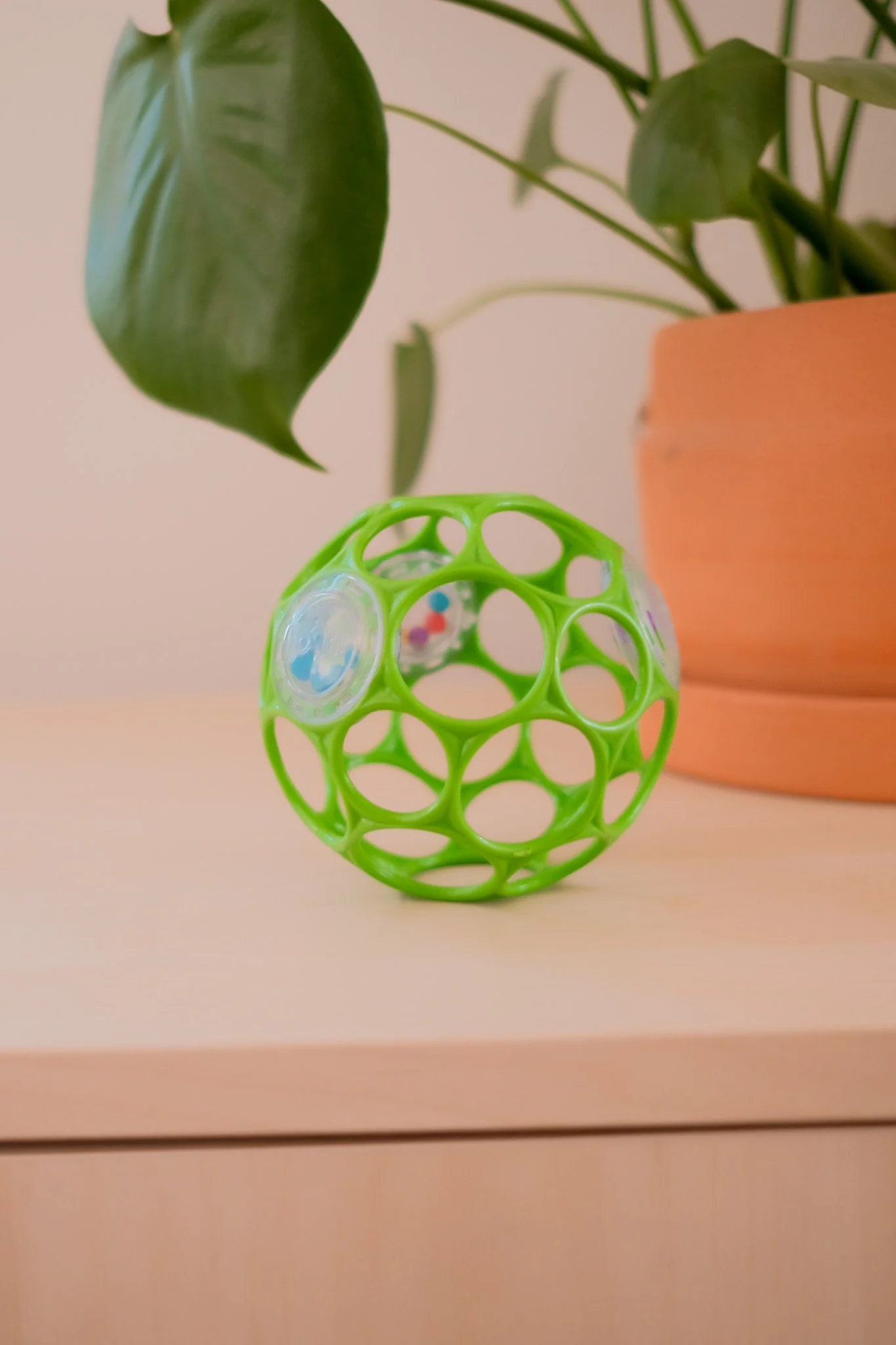
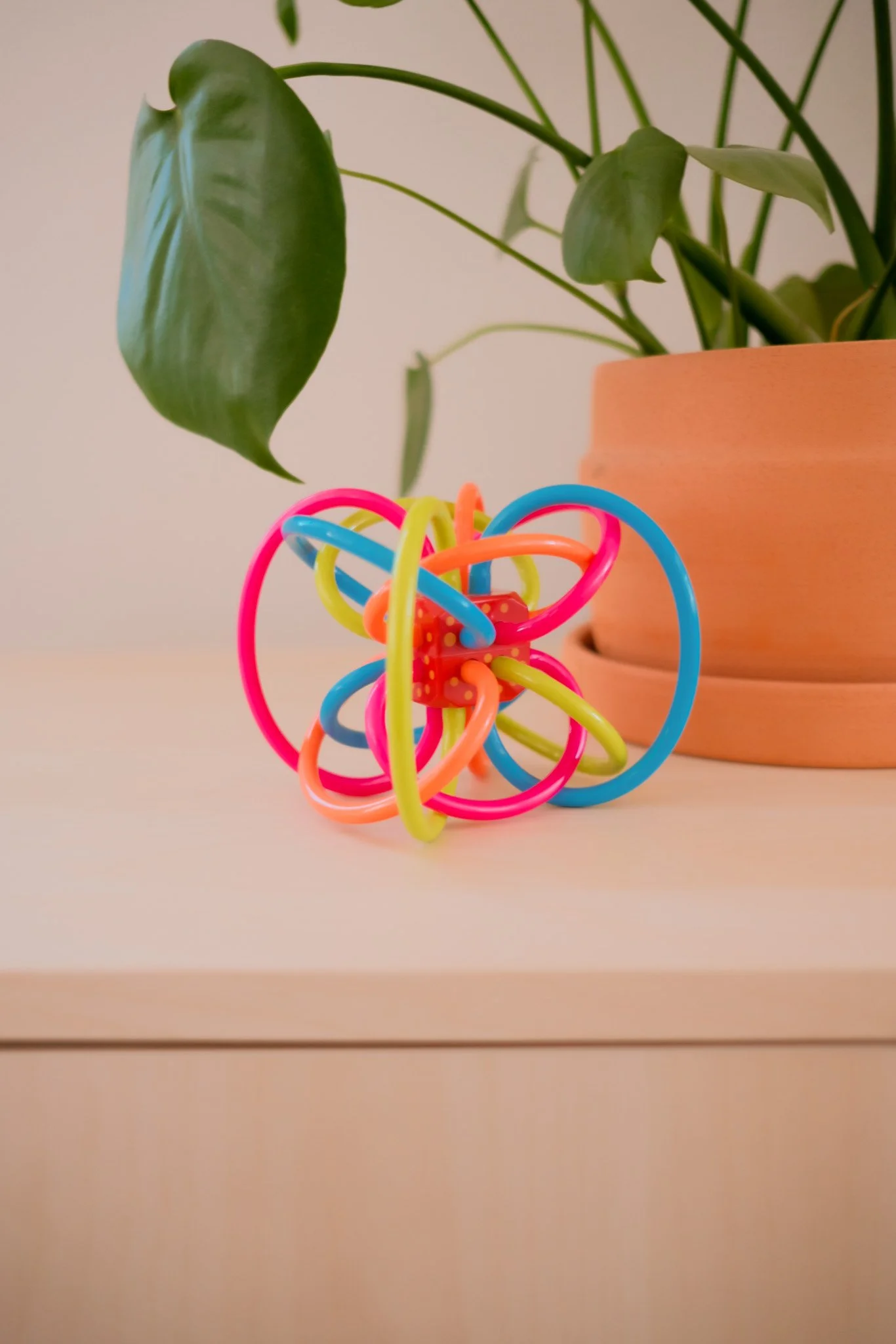
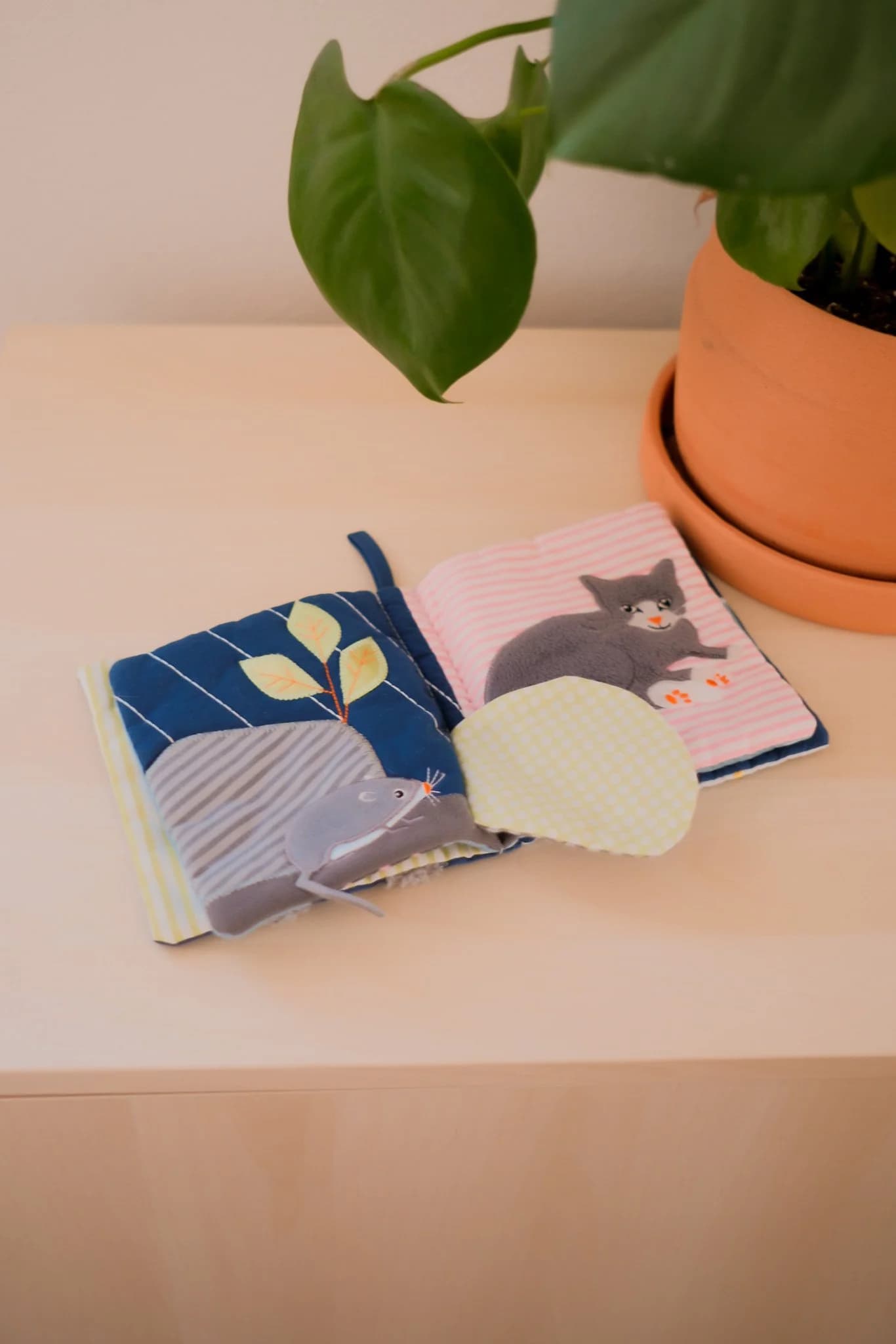
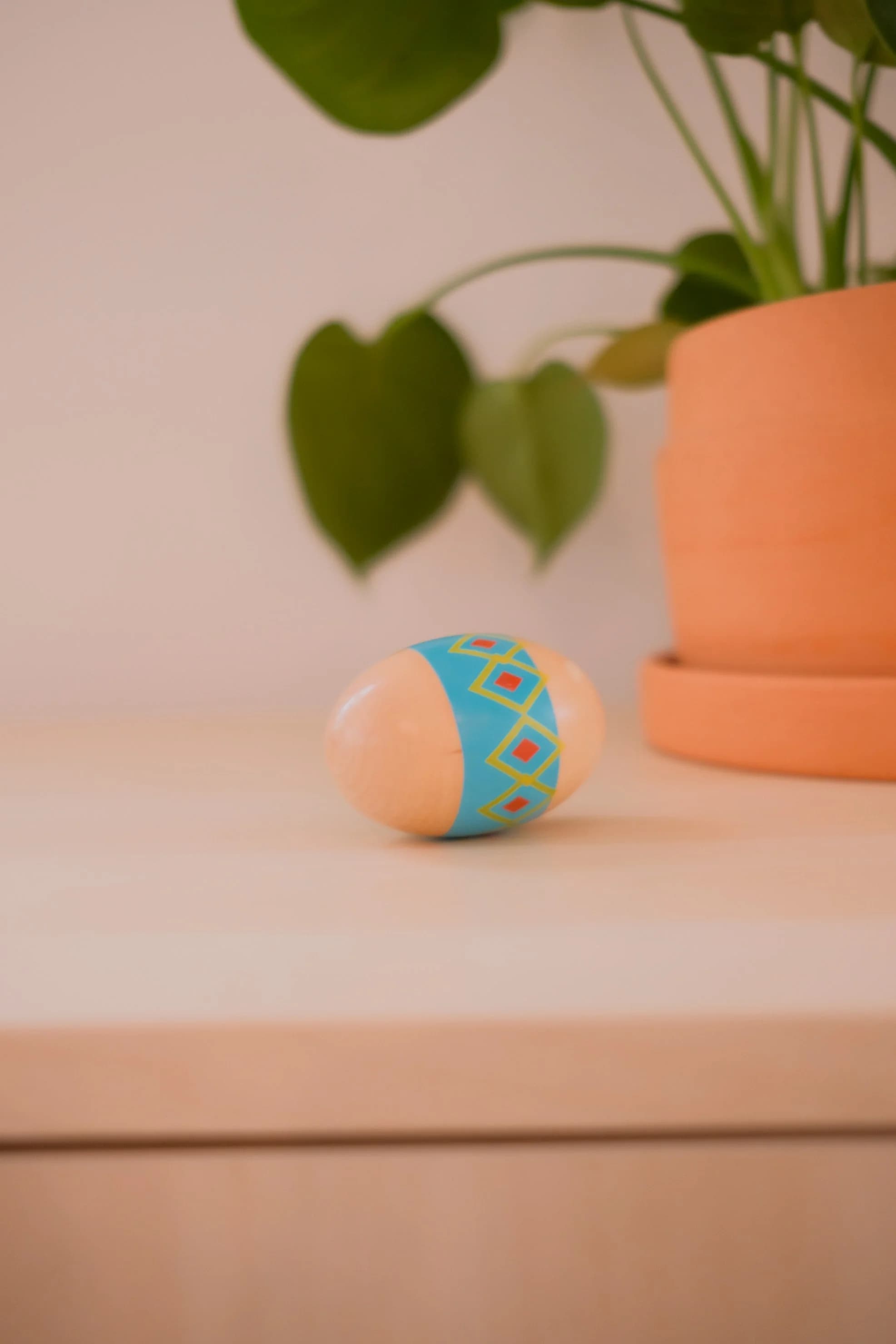
Best First Toys for Babies
Our favorite toys for the youngest members of the family. Safe, engaging, and developmentally appropriate picks for babies and new toddlers.
12 toys
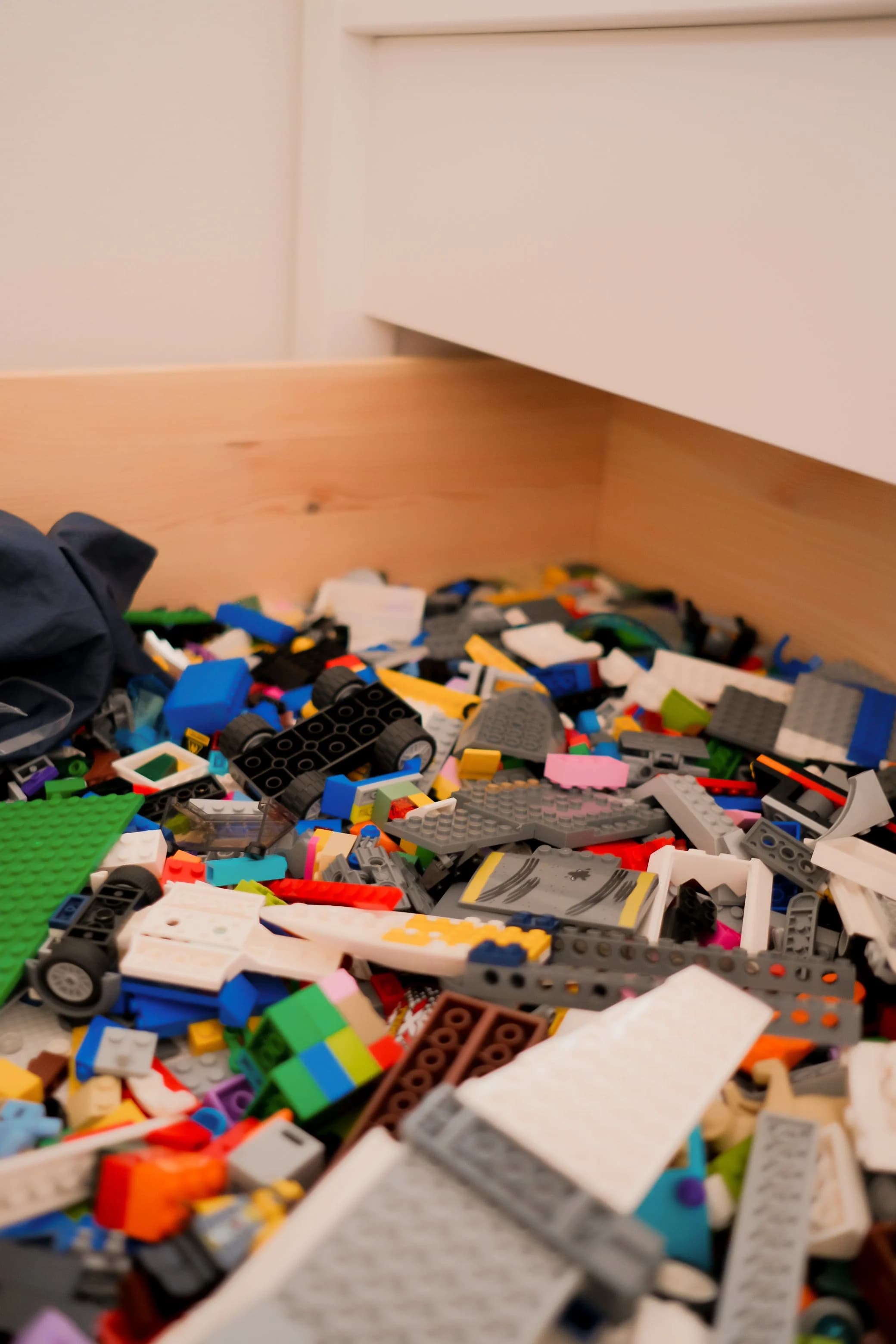

Top Building Toys
The best construction and building toys for developing spatial reasoning, engineering skills, and creative problem-solving.
12 toys
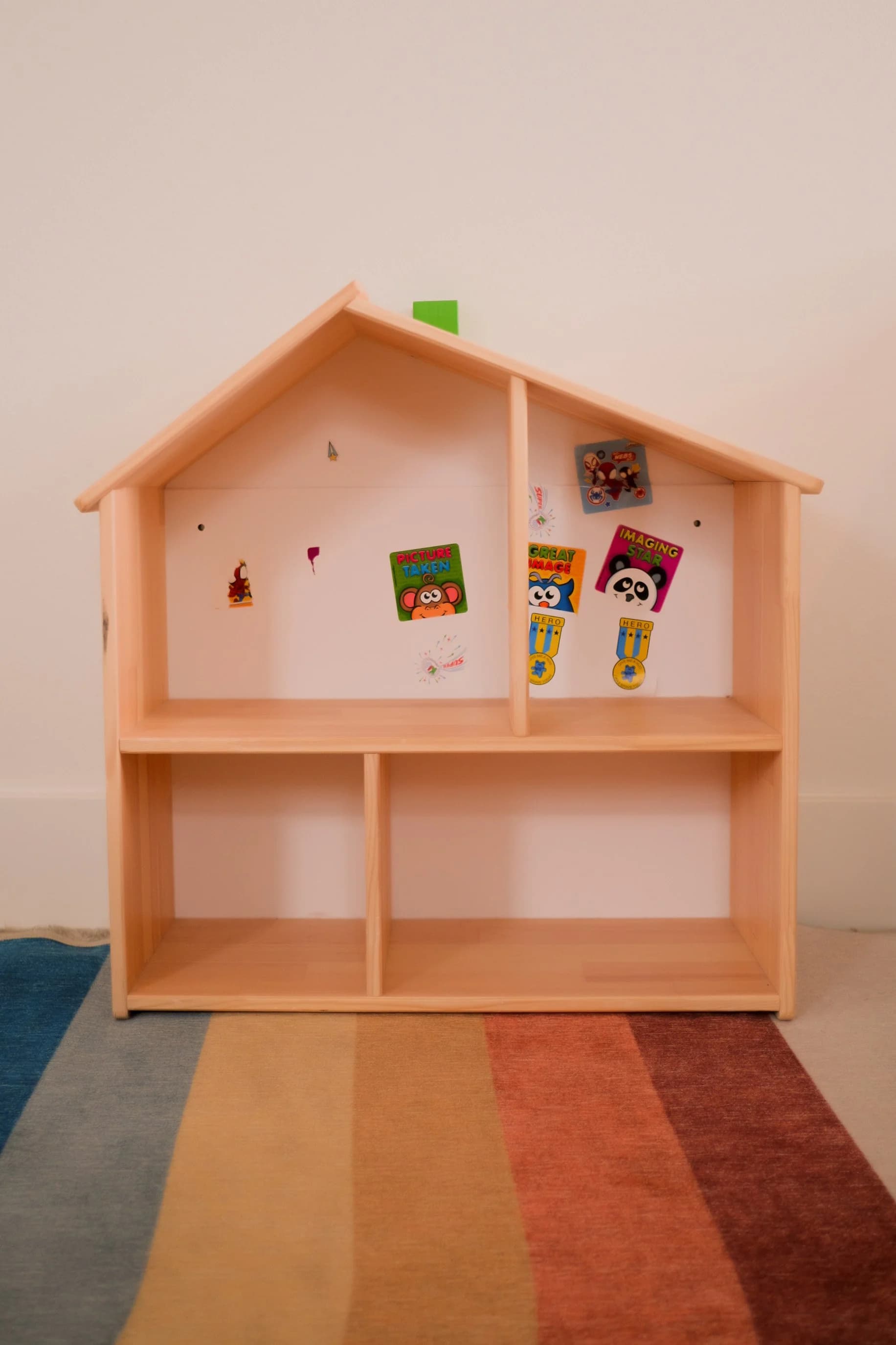
Open-Ended Play Essentials
Toys with no wrong answers — the open-ended staples that inspire hours of creative, imaginative play.
12 toys
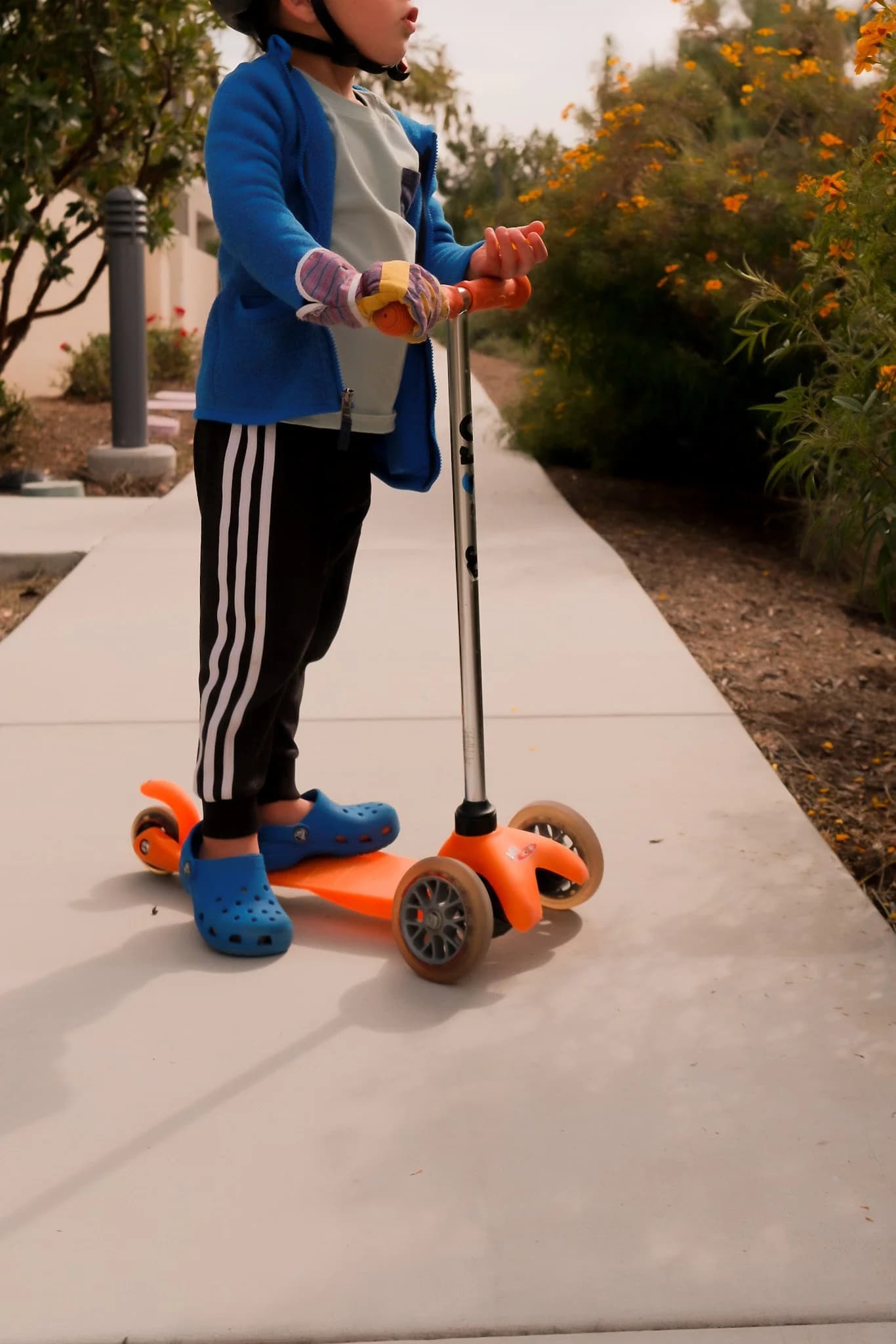
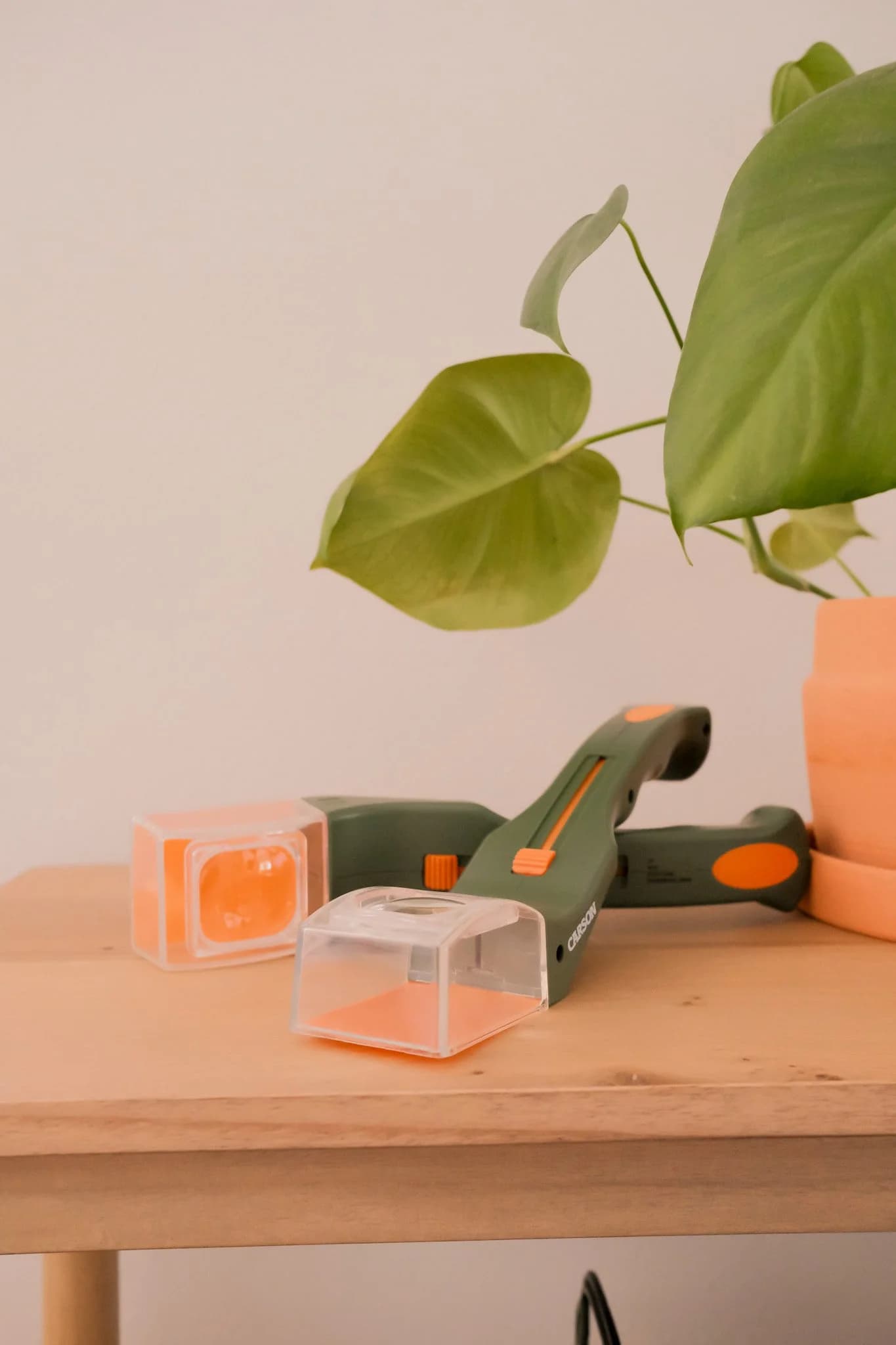

Best Outdoor Toys
Our top picks for getting kids outside — from sand play to nature exploration to active adventures.
12 toys
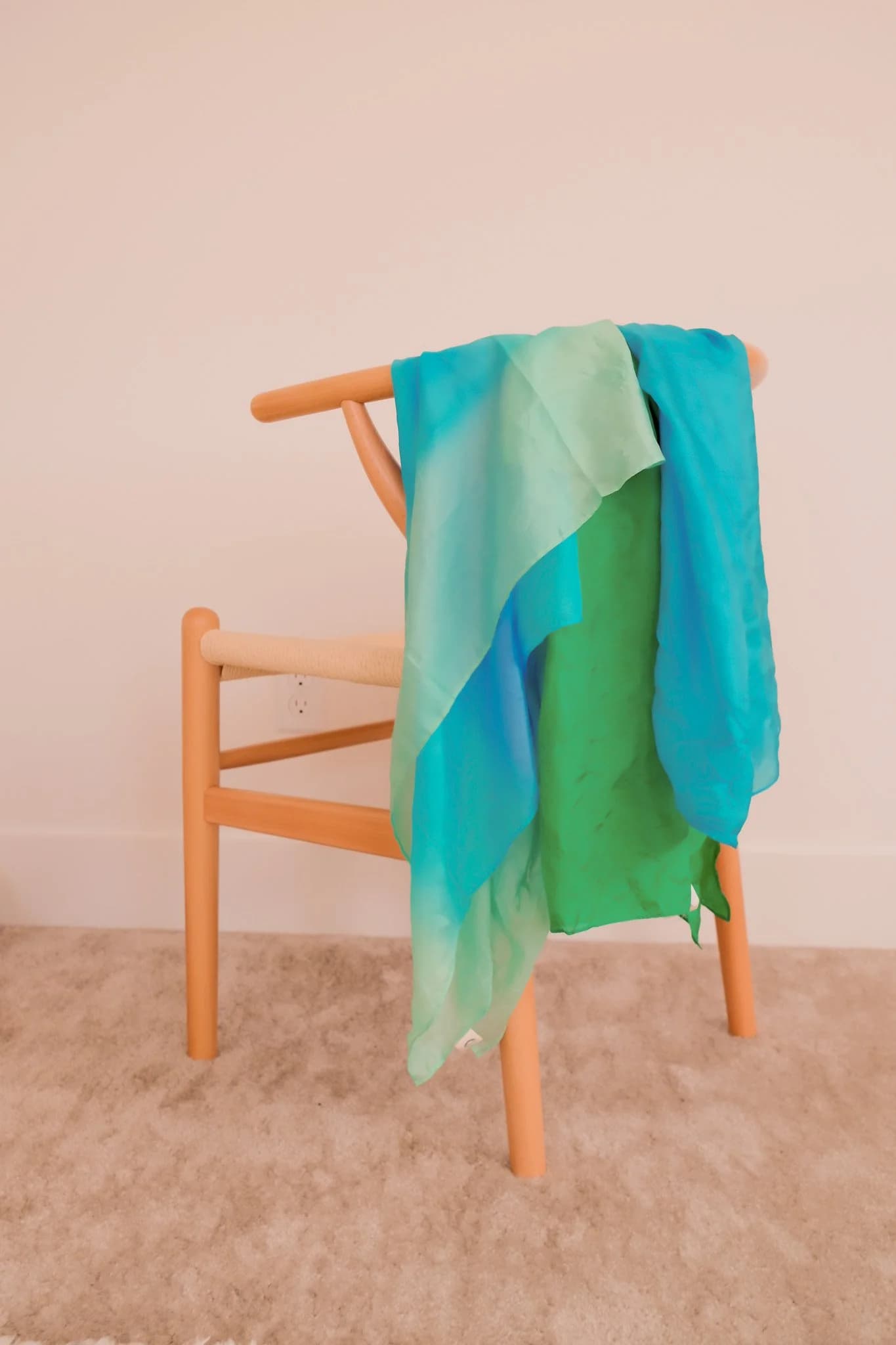
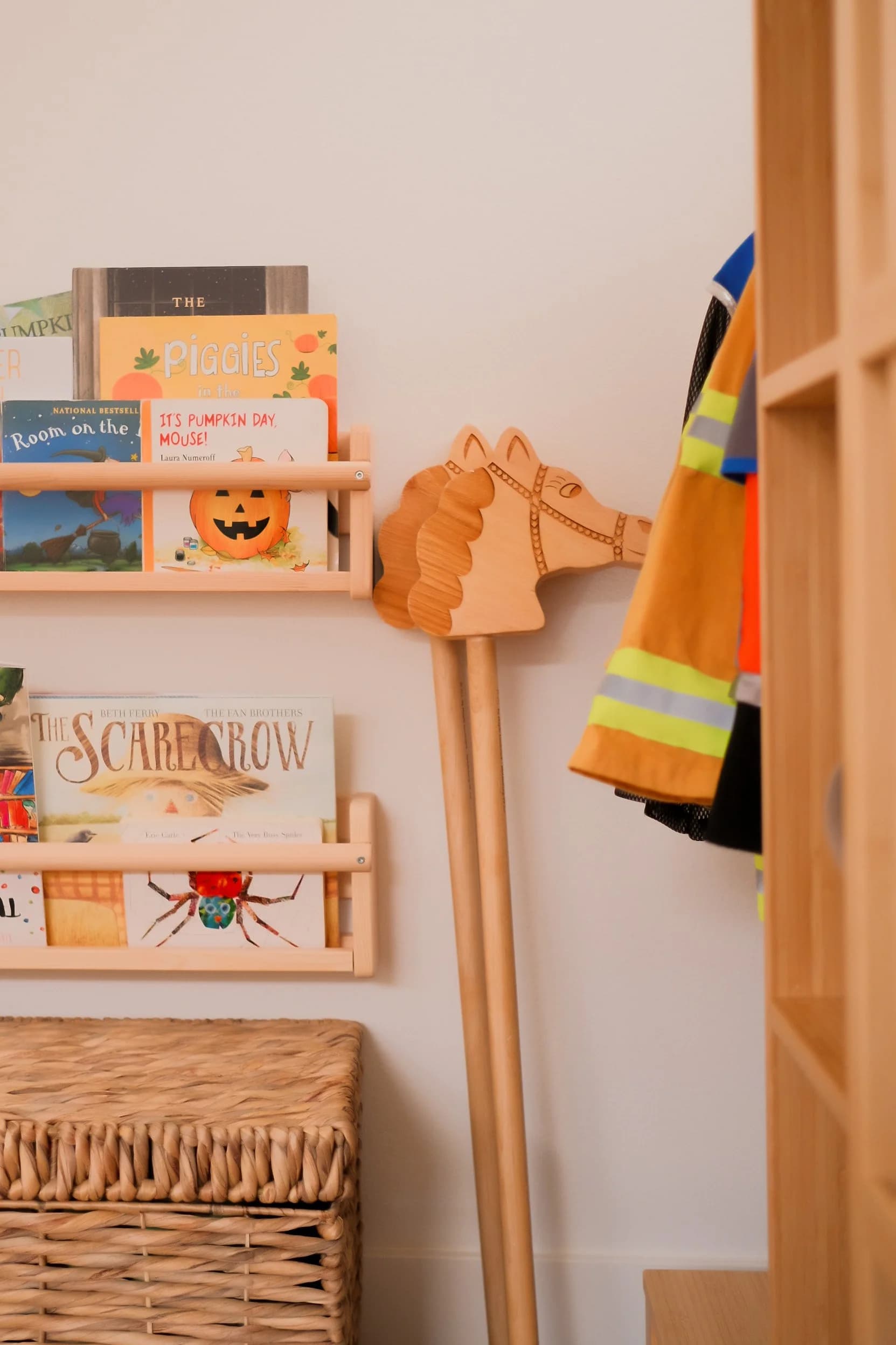
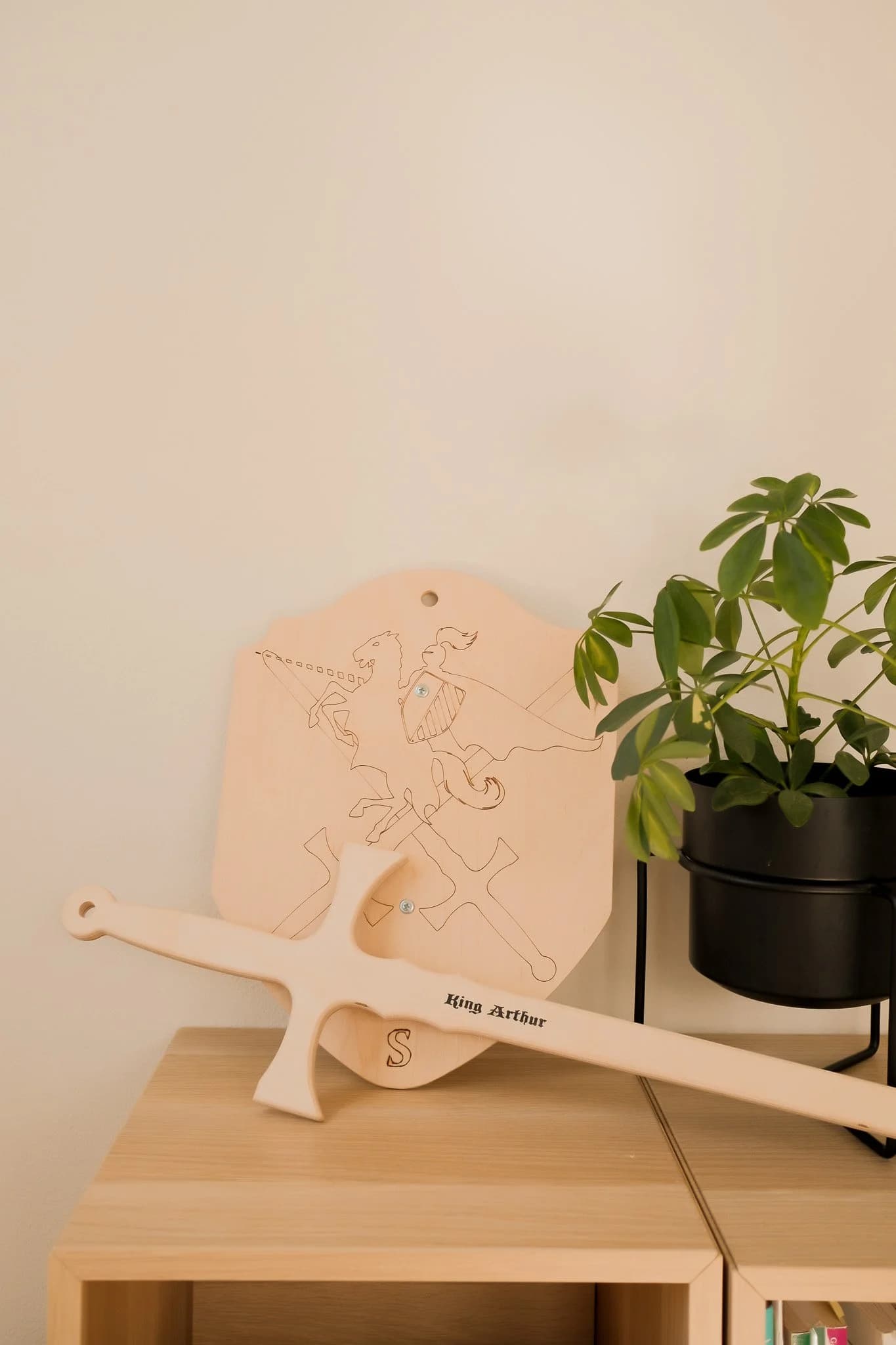
Pretend Play Favorites
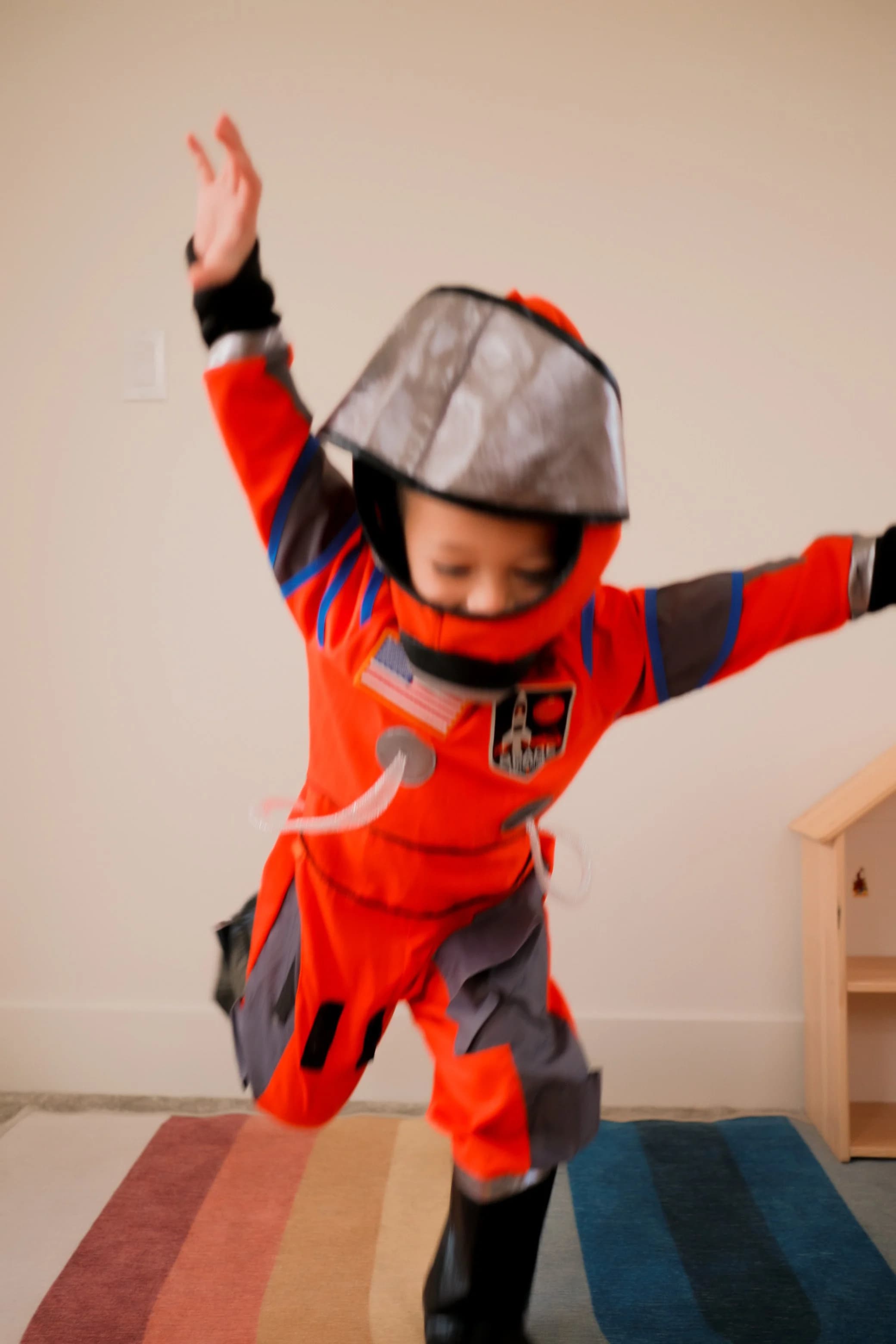
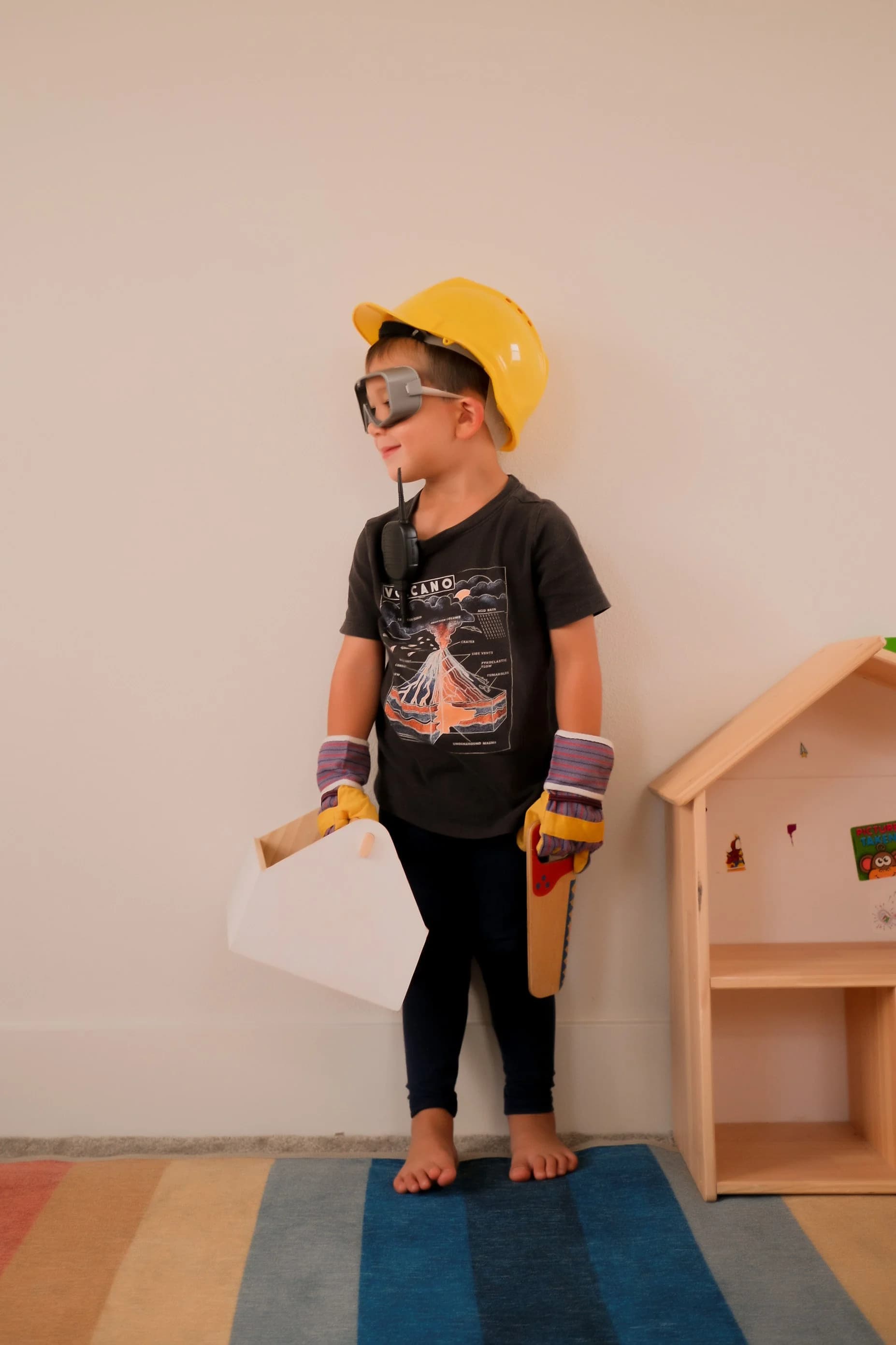
Costumes, props, and accessories that bring imaginative stories to life. Our most-loved dress-up and role play toys.
12 toys


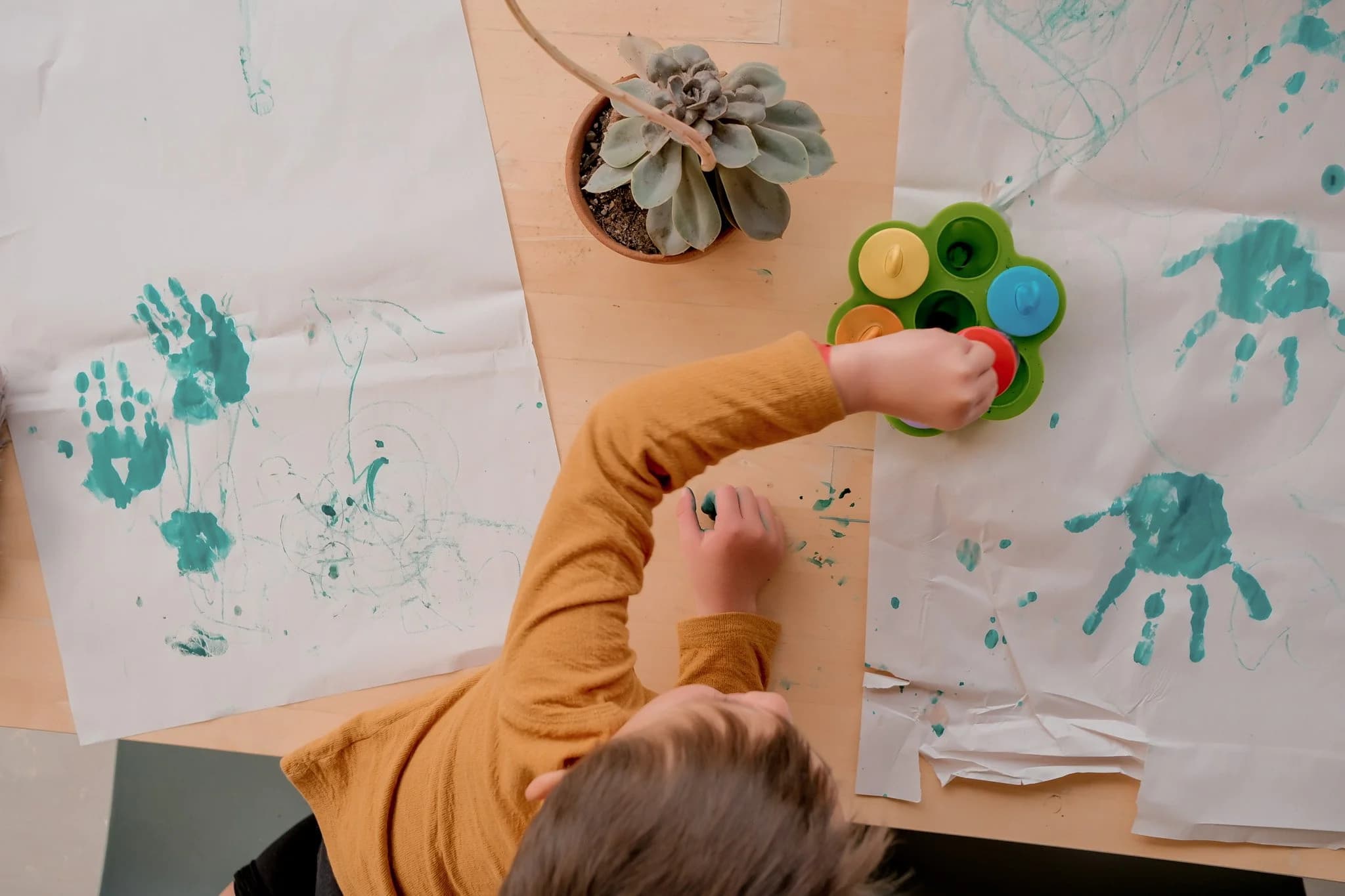
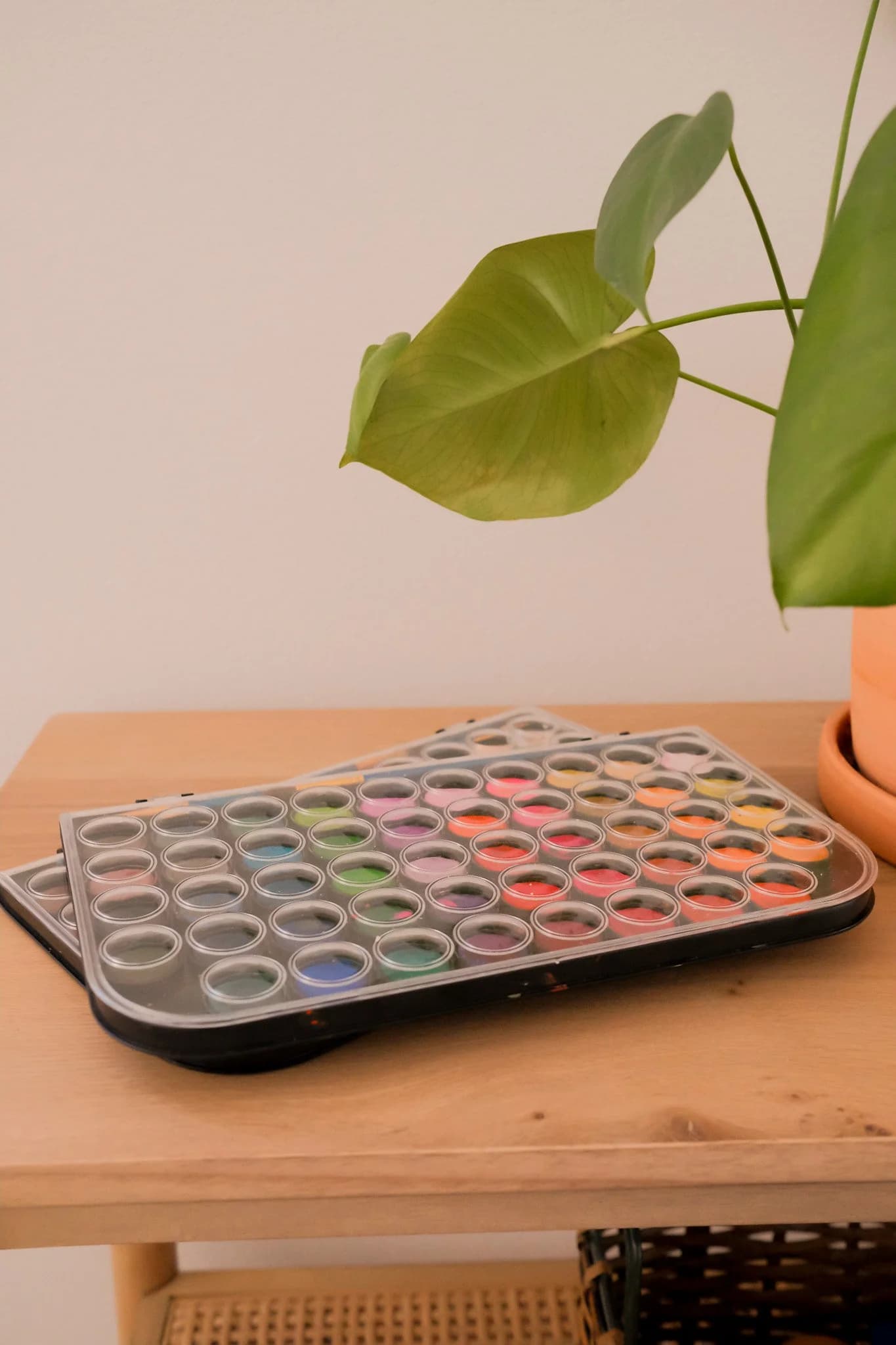
Essential Art Supplies
The art materials we actually use every day — quality supplies that inspire creativity without the frustration.
12 toys
Browse the toy shop.
Filter by category and age. Tagged the way real play works, not the way big-box stores stack their aisles.
Questions about the toys.
What 'open-ended' means, age safety, rotation, and how toys earn a spot.
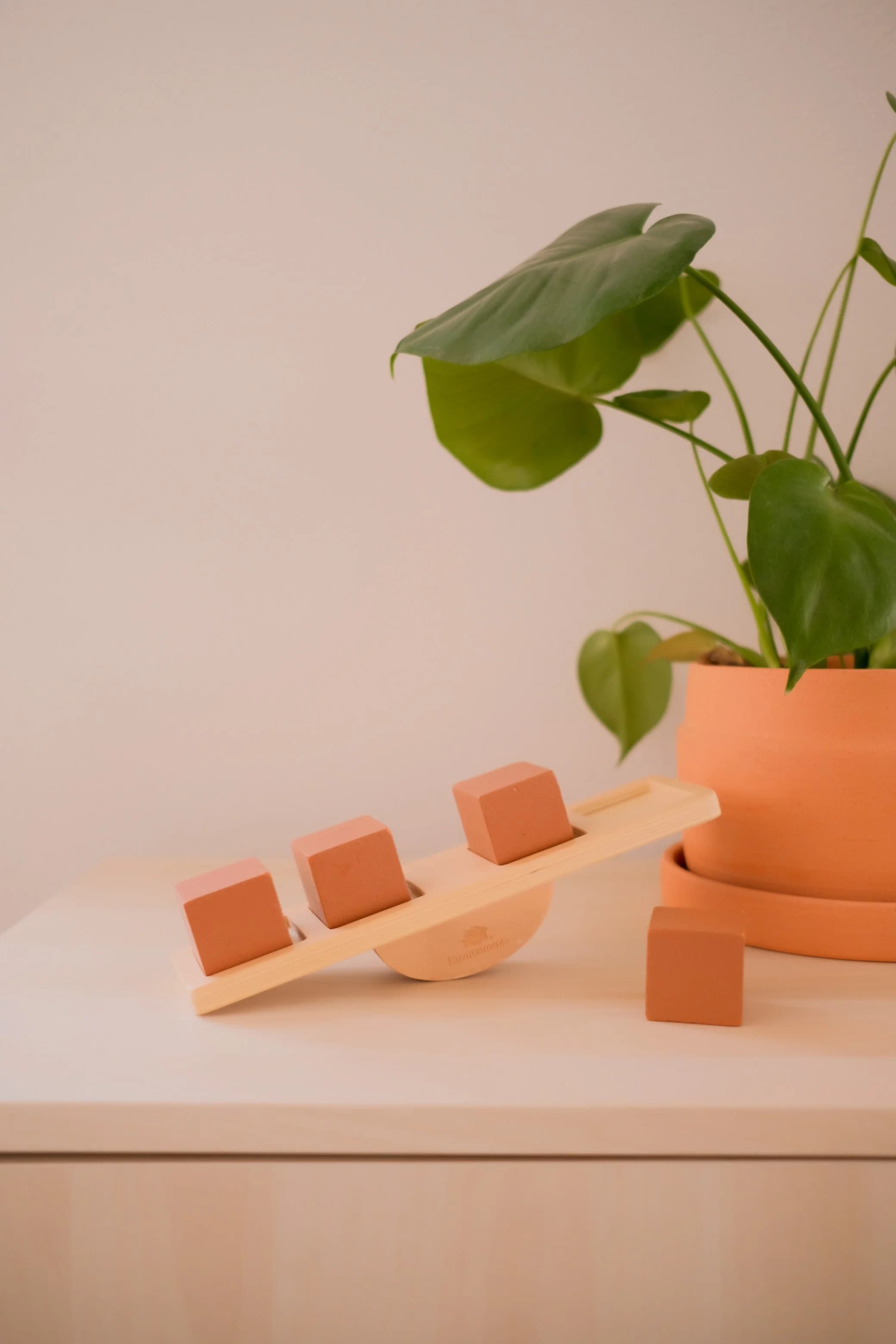
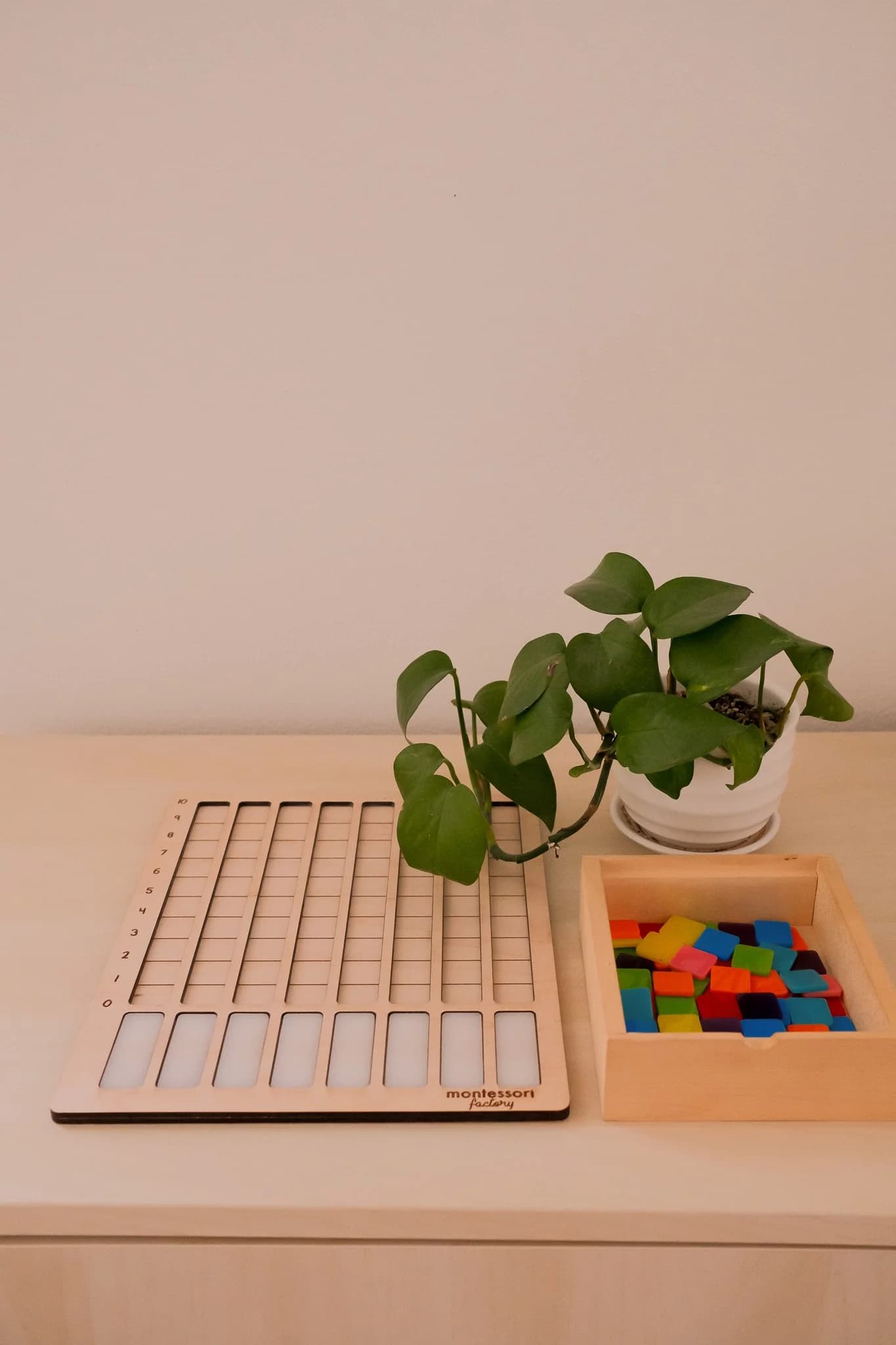
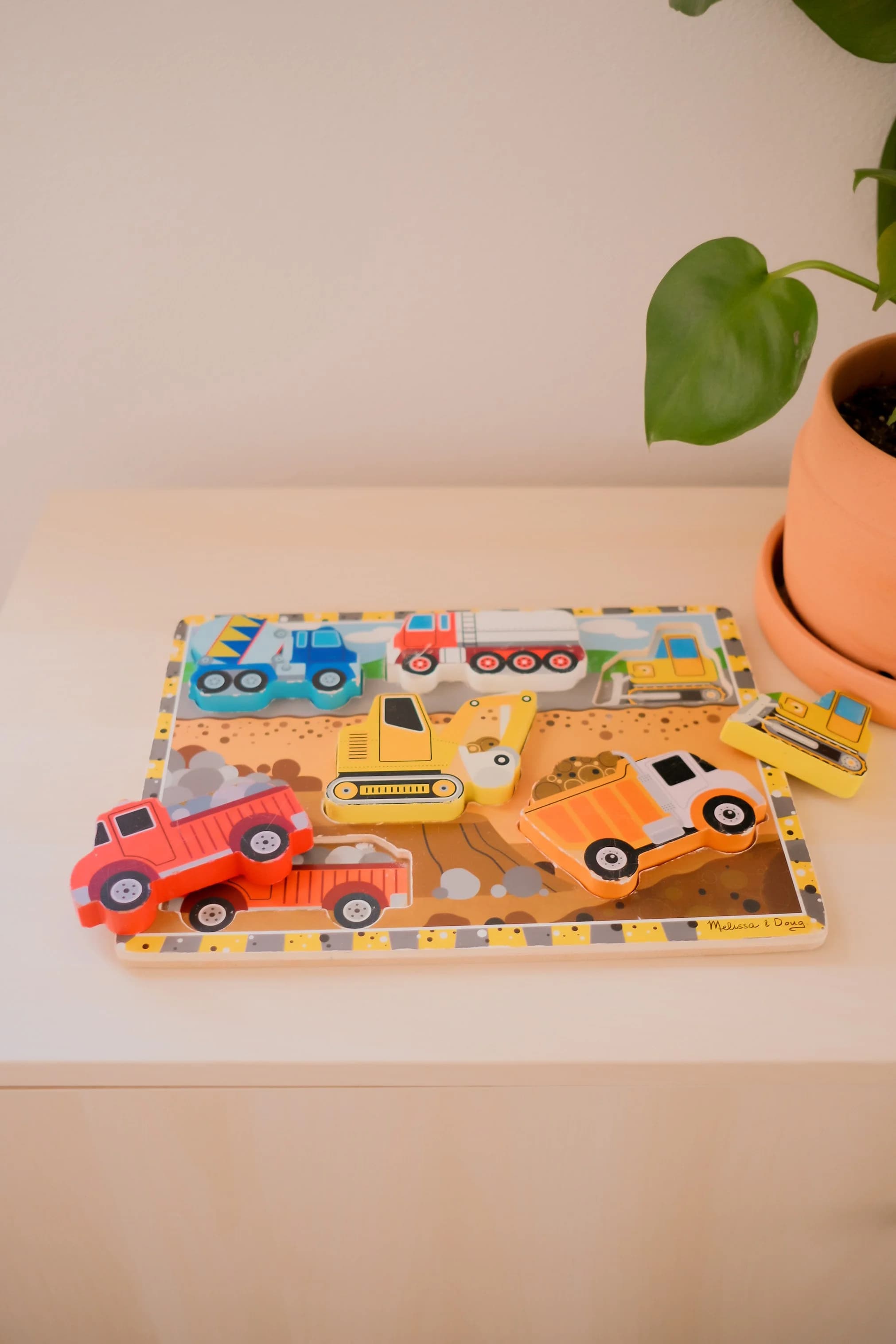
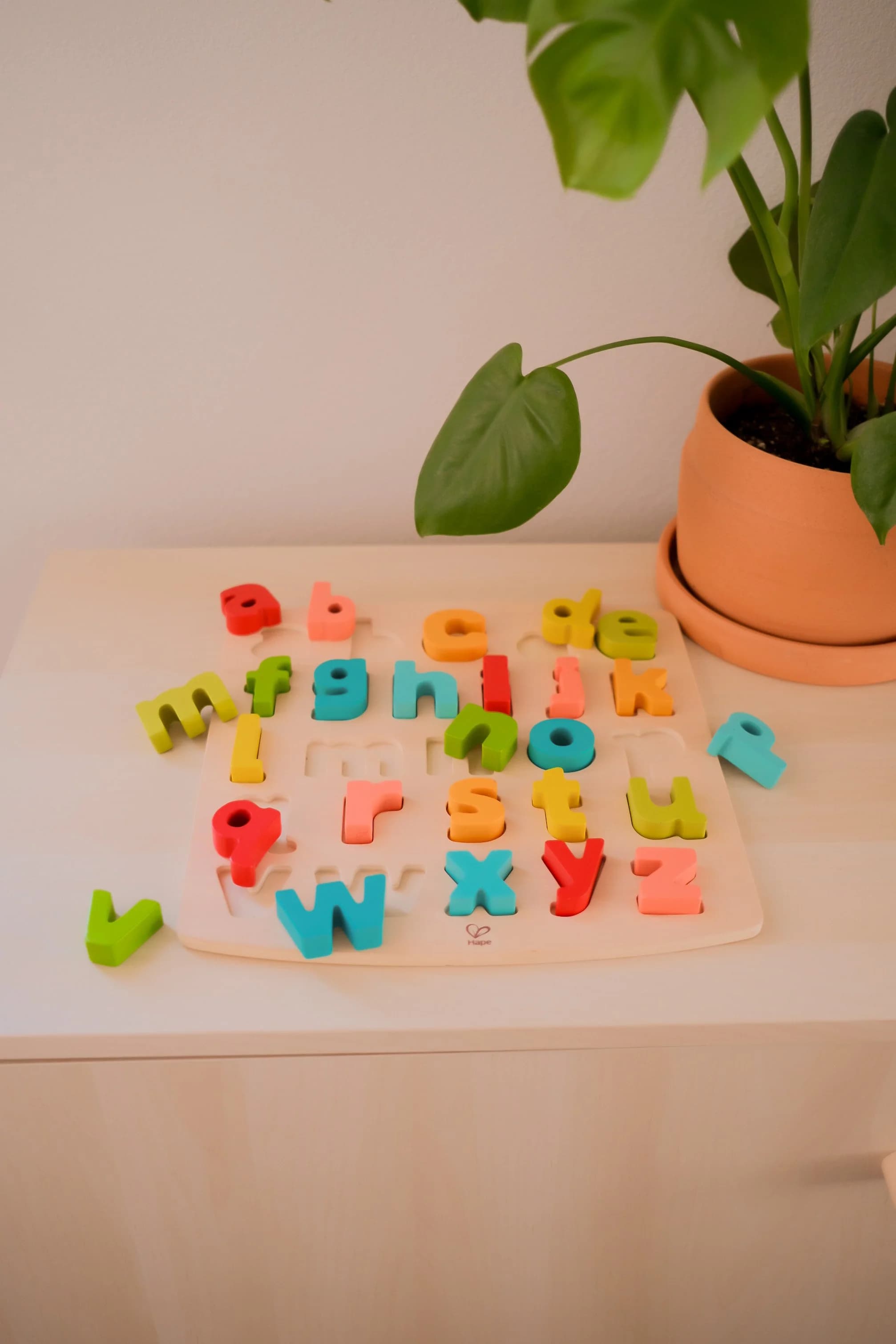
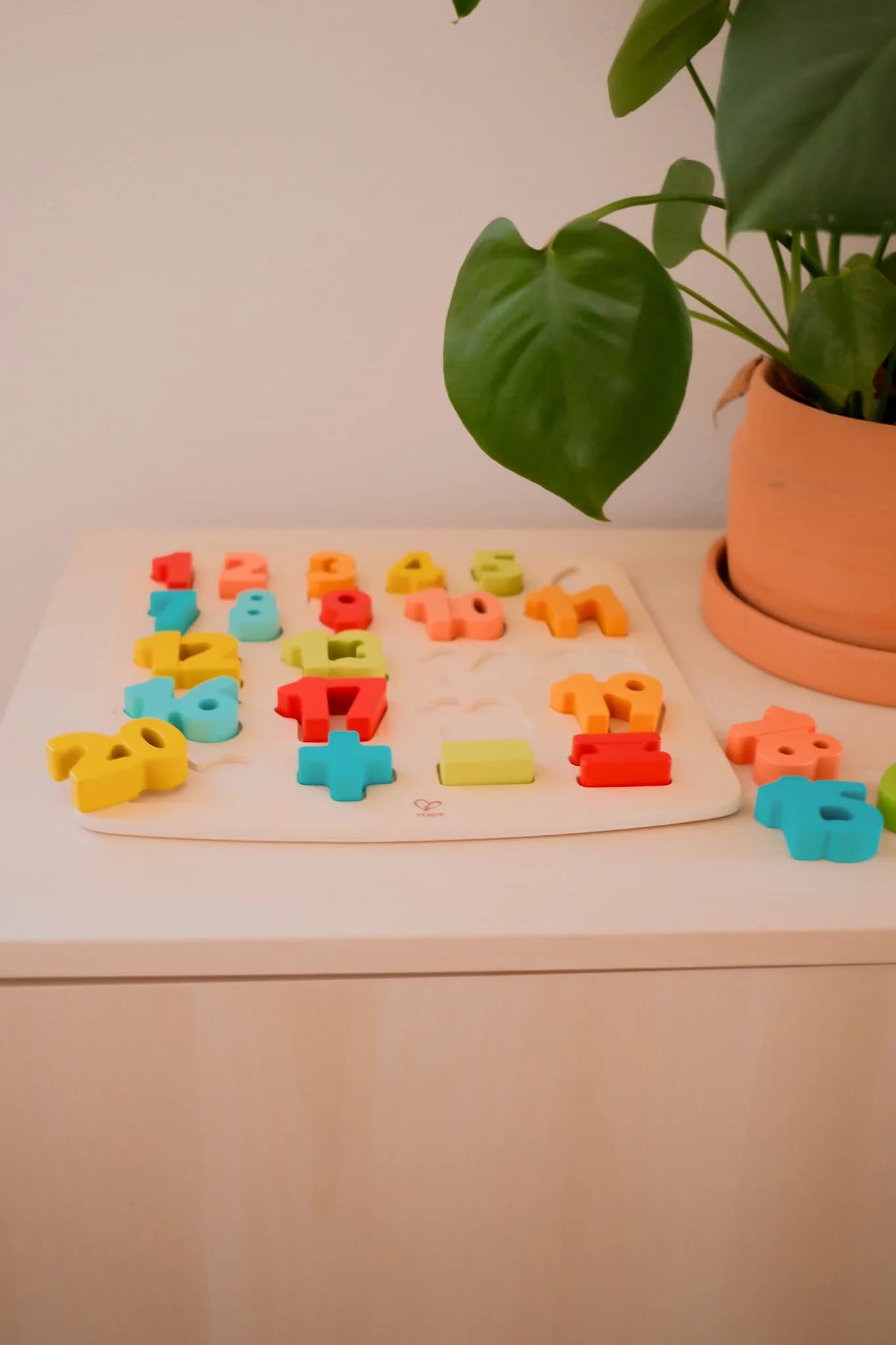
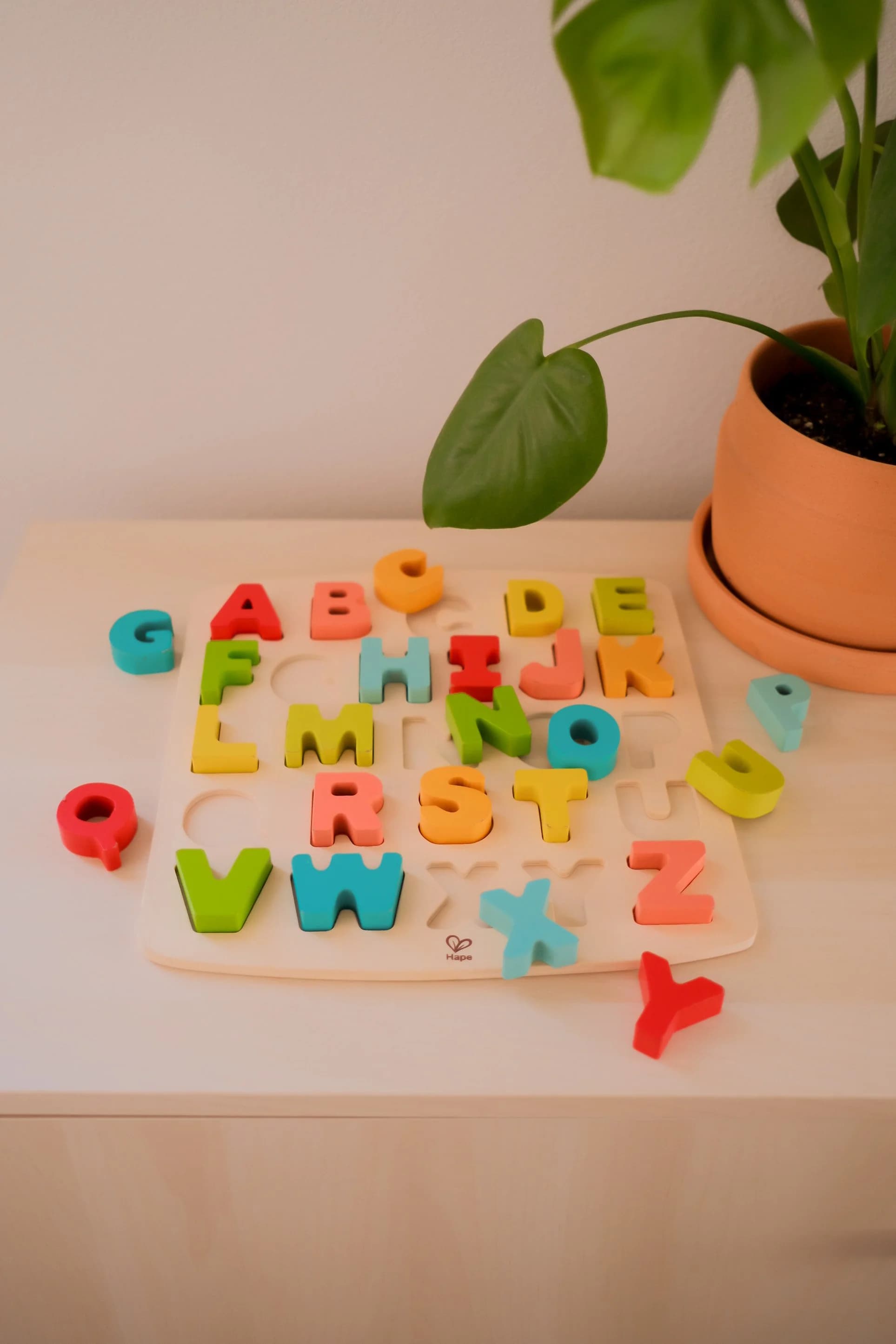
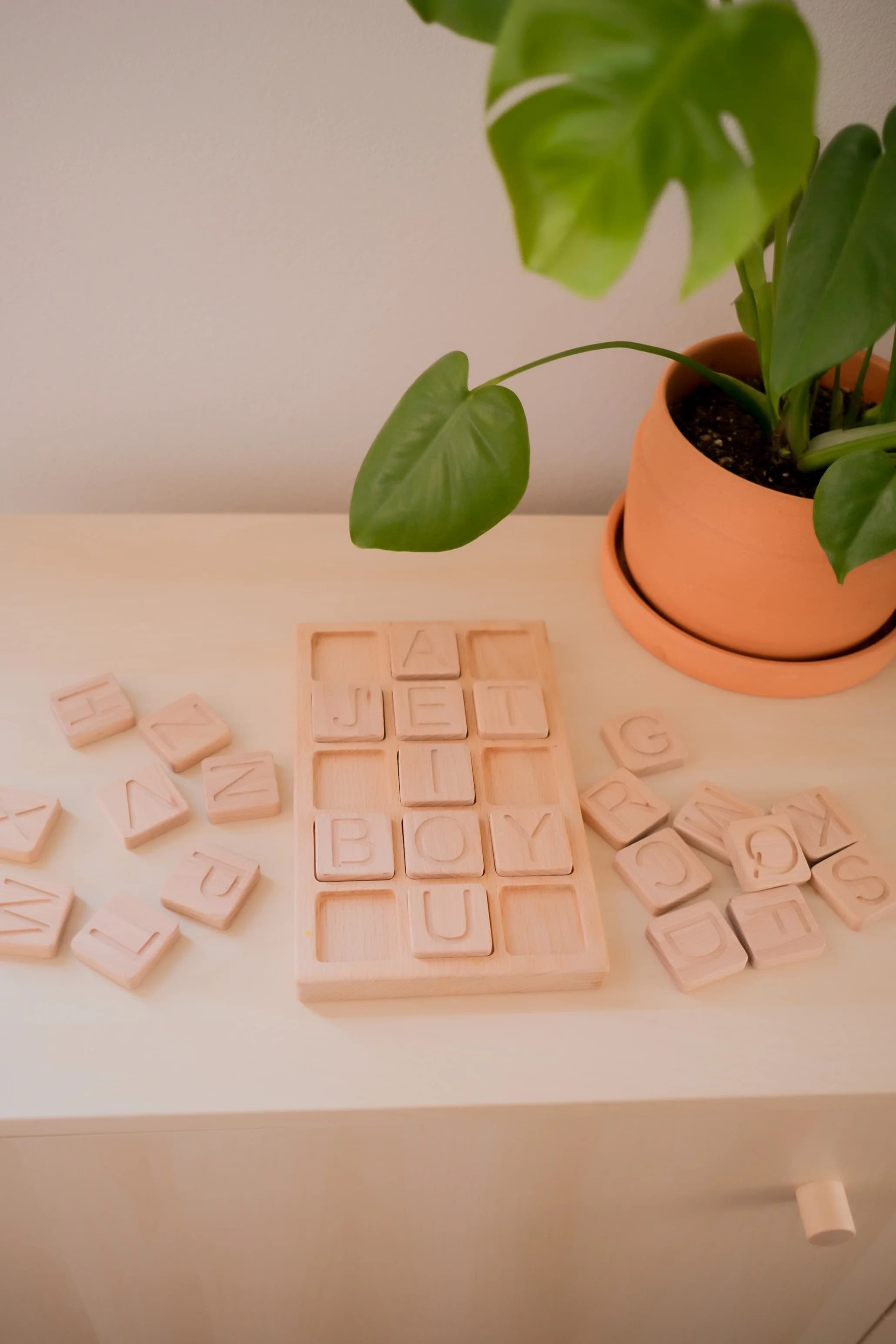
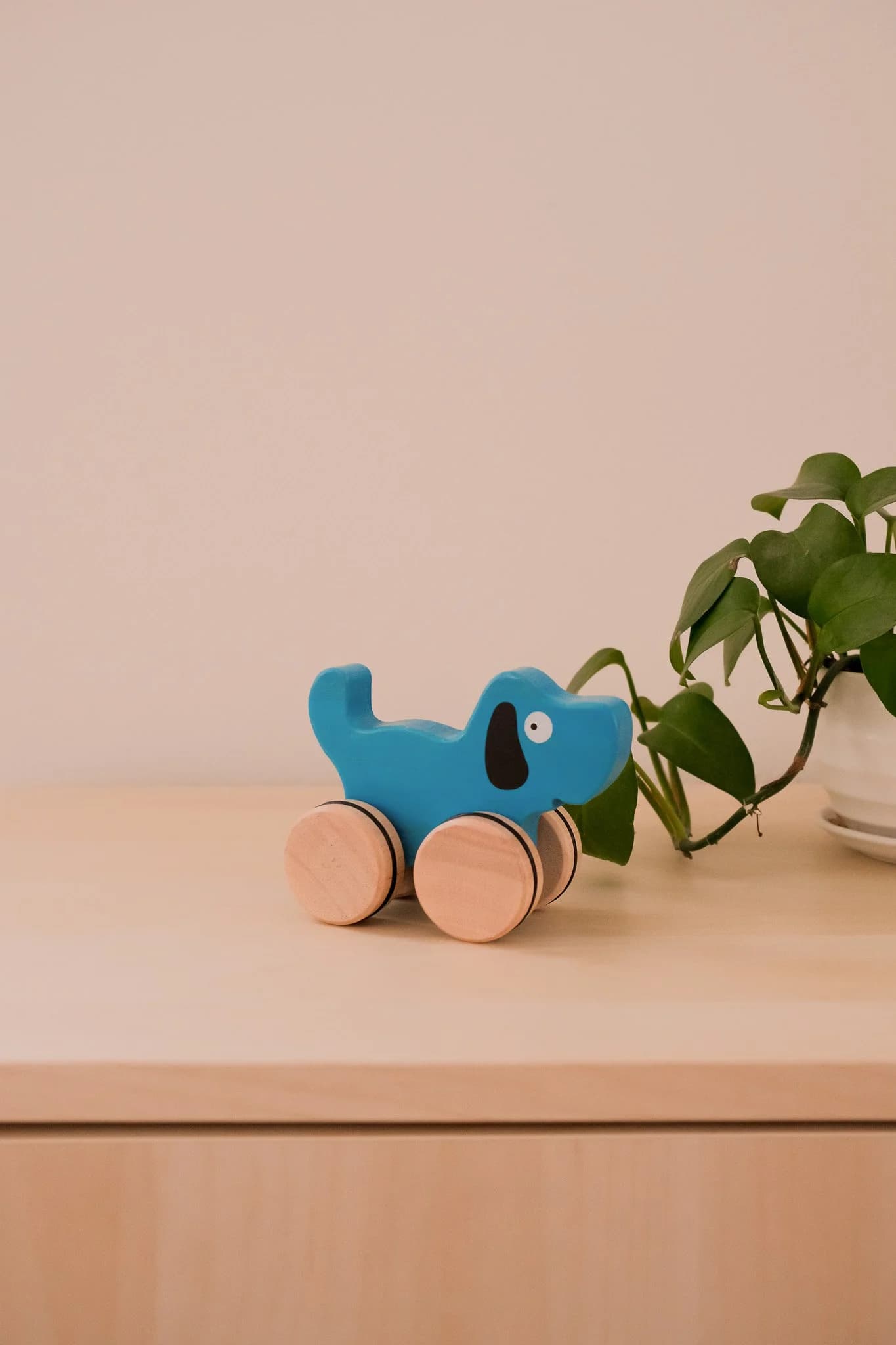
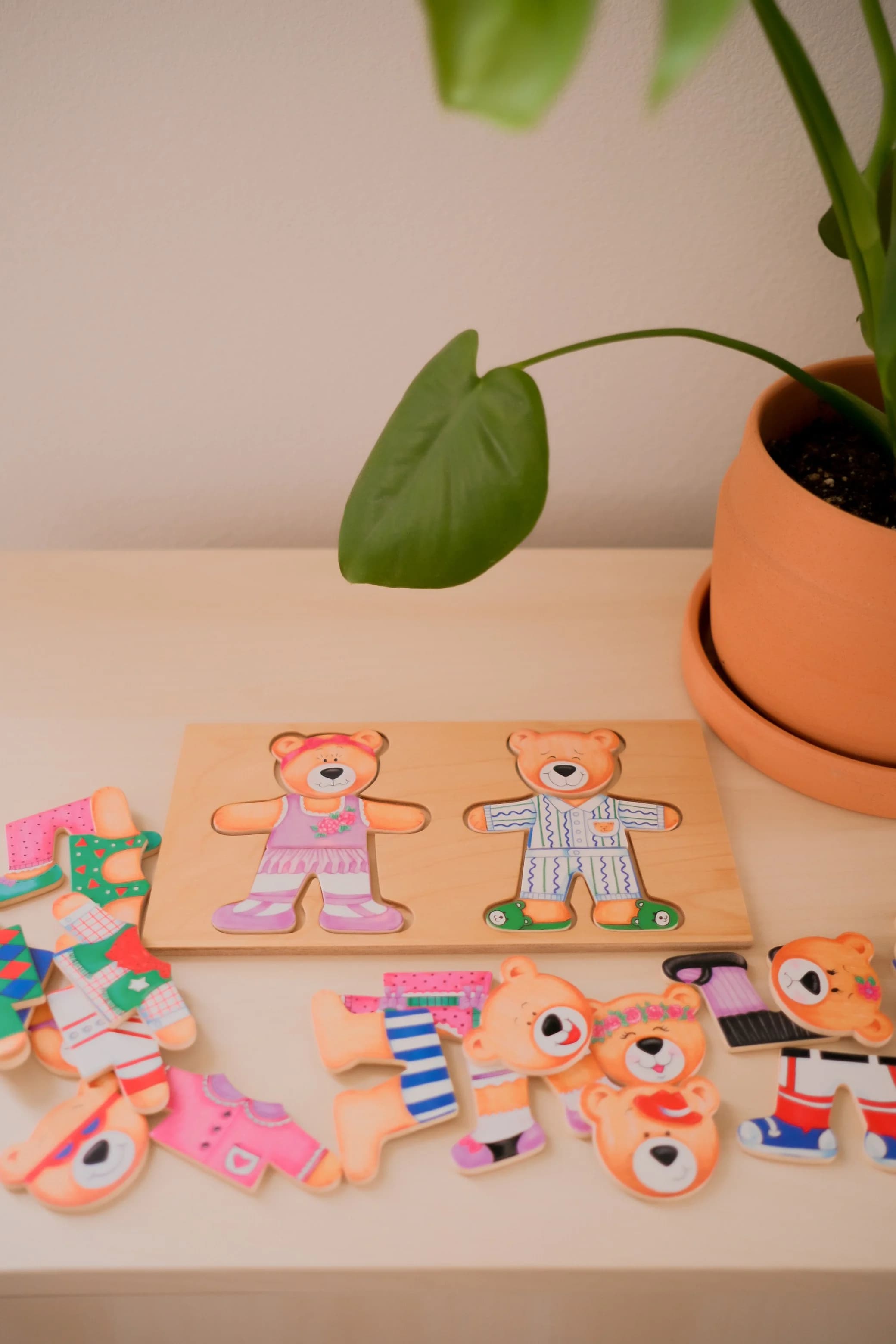
Puzzles are great for fine motor development and problem solving, but a puzzle can only be taken apart and put together so many times before it becomes boring. For independent play, prioritize toys that don't have any intended purpose. Your child should need to think creatively to make a toy fun. A simple wooden block set is a must-have for young children; add simple vehicles, figurines, or miscellaneous nature treasures when you can.
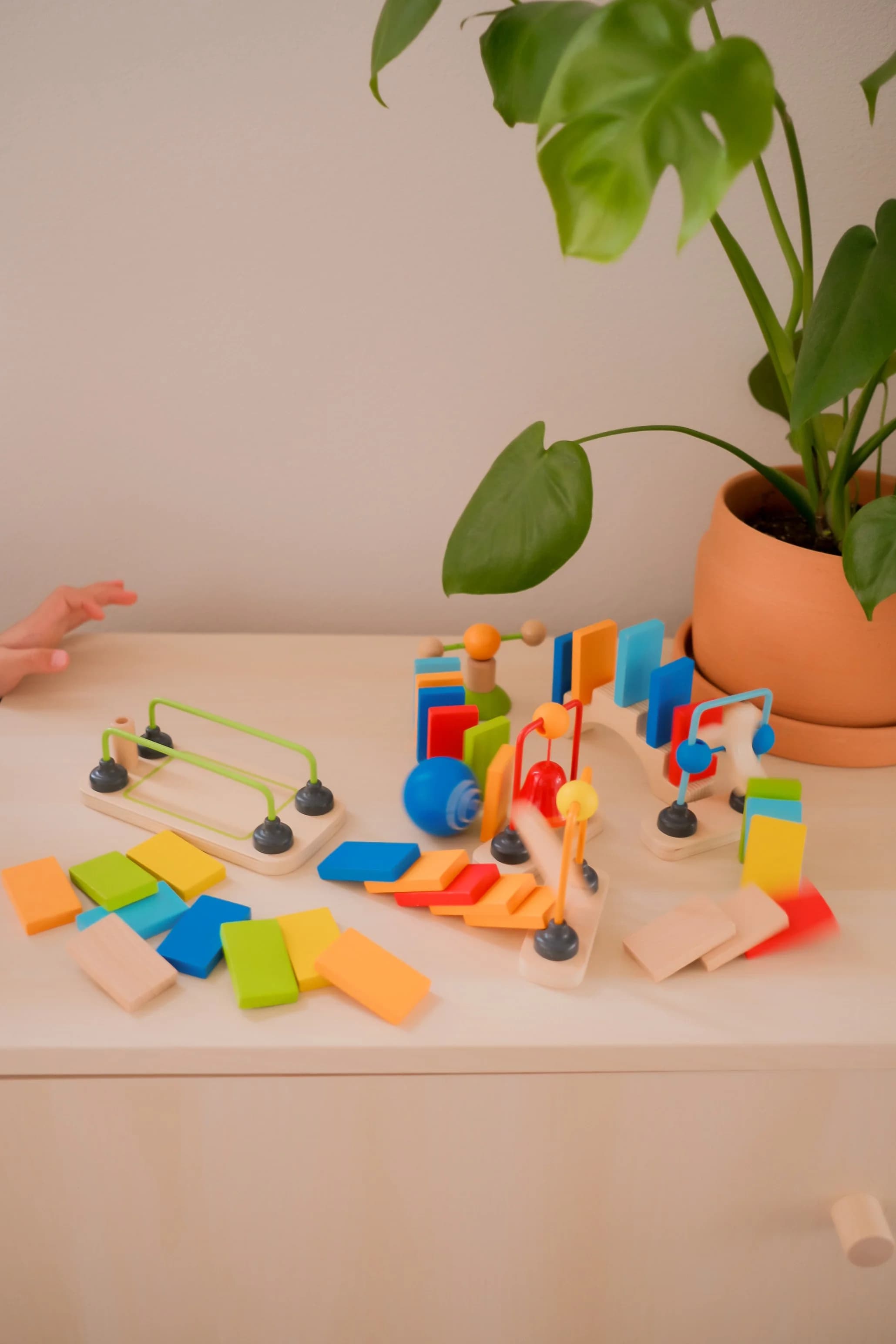
The more the toy does, the less the child thinks. Battery operated toys rob children of the chance to develop creativity and problem-solving skills while playing. They also condition the young brain to expect a reward after each action (a light, a sound, a motion), which diminishes their ability to become self-motivated beings. We reach for toys that do nothing on their own instead: balls, musical instruments, pretend play props, loose parts, nesting toys, and building sets, so the child supplies the effort and the ideas.
Every listing includes an age range. Toys should be built to last. Aim for durable picks from reputable brands that use non-toxic paints and finishes; plastic is fine when it's good quality. Choking hazards, sharp edges, and small magnets are flagged on the shelf. Always supervise the youngest child in the room.
Yes. Most links are affiliate, so a tiny share of the sale comes back to keep the site running. You don't pay any extra. Many of these toys are also easy to find secondhand or on local marketplaces.
They do most of the playing for the child and train the brain to expect a reward after every flash or sound. We keep the shelf tilted toward battery-free, open-ended picks instead.
A handful each month, especially around birthdays and holidays. Newsletter subscribers see the new picks first.
We rotate. If a child suddenly seems uninterested in playing, it's usually time for a refresh. Swap unused toys with an item from storage, or switch up what's on display. Less choice on the shelf, more depth in the play.